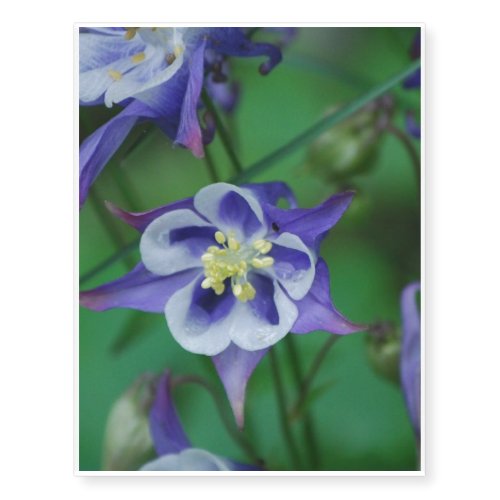
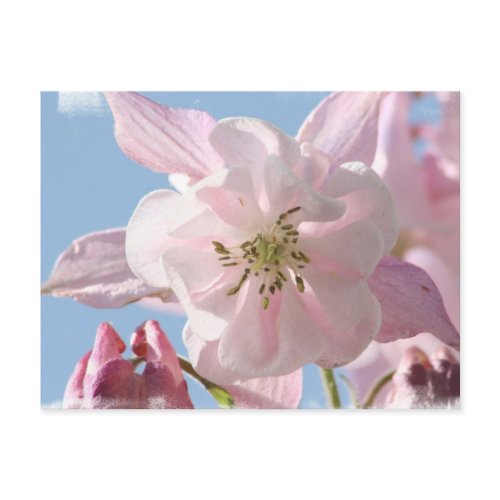
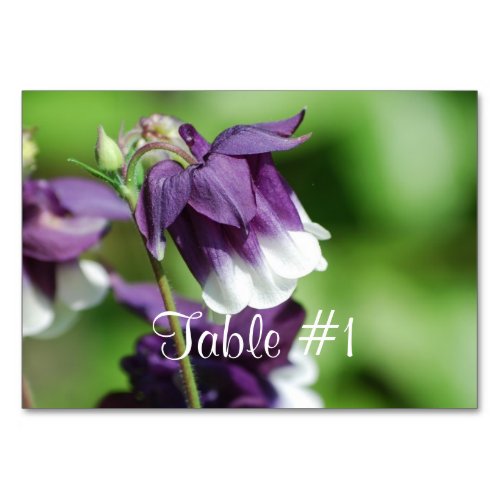
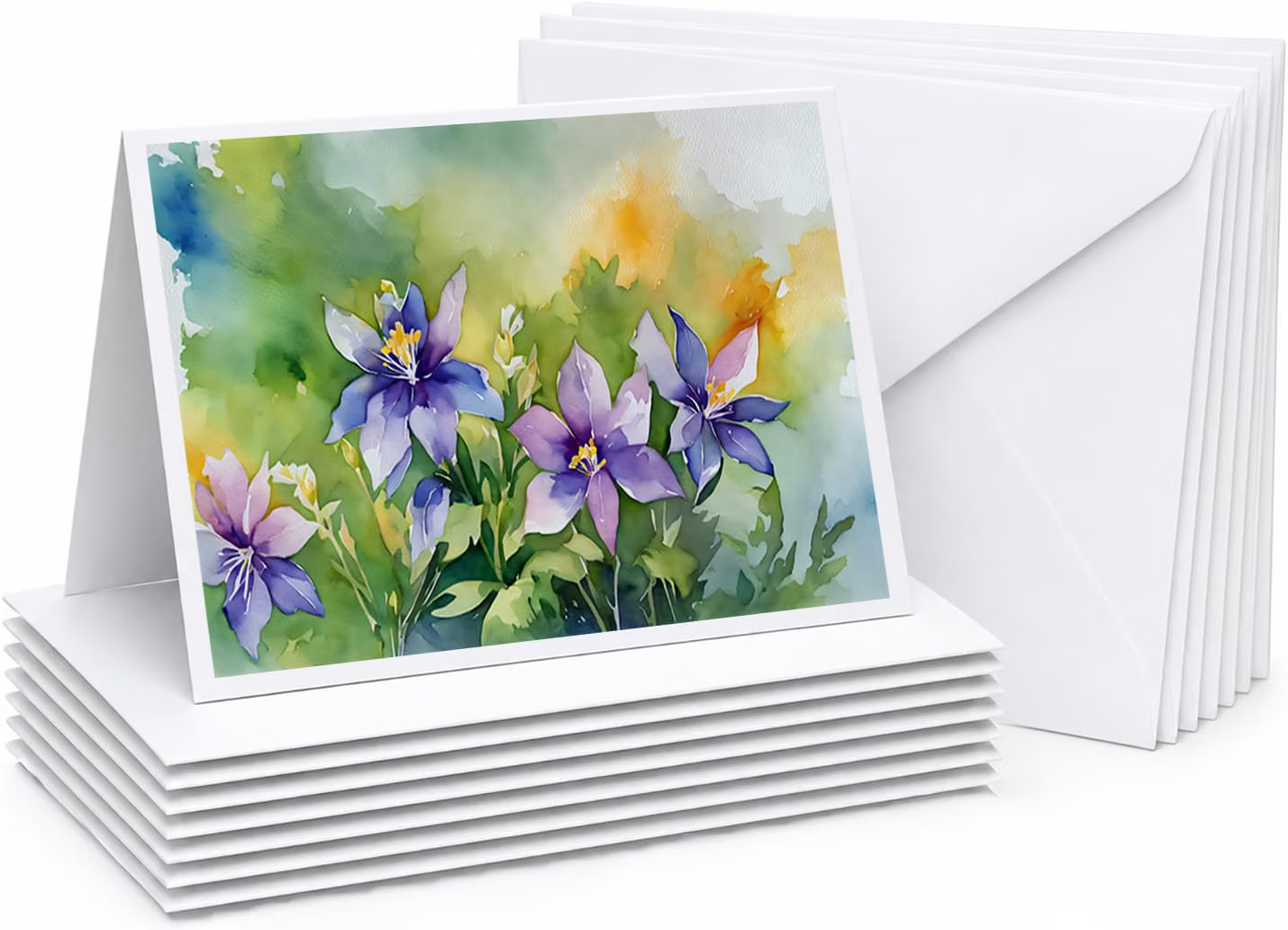
Columbine produces unusual, spurred flowers that seem to dance atop wiry stems, their delicate, nodding form making them a favorite of hummingbirds and woodland gardeners alike.
Native across North America, Europe, and Asia, columbine's distinctive backward-pointing spurs hold nectar that only long-tongued pollinators like hummingbirds and certain moths can reach. Its blue-green, lobed foliage remains attractive even after the spring bloom fades.
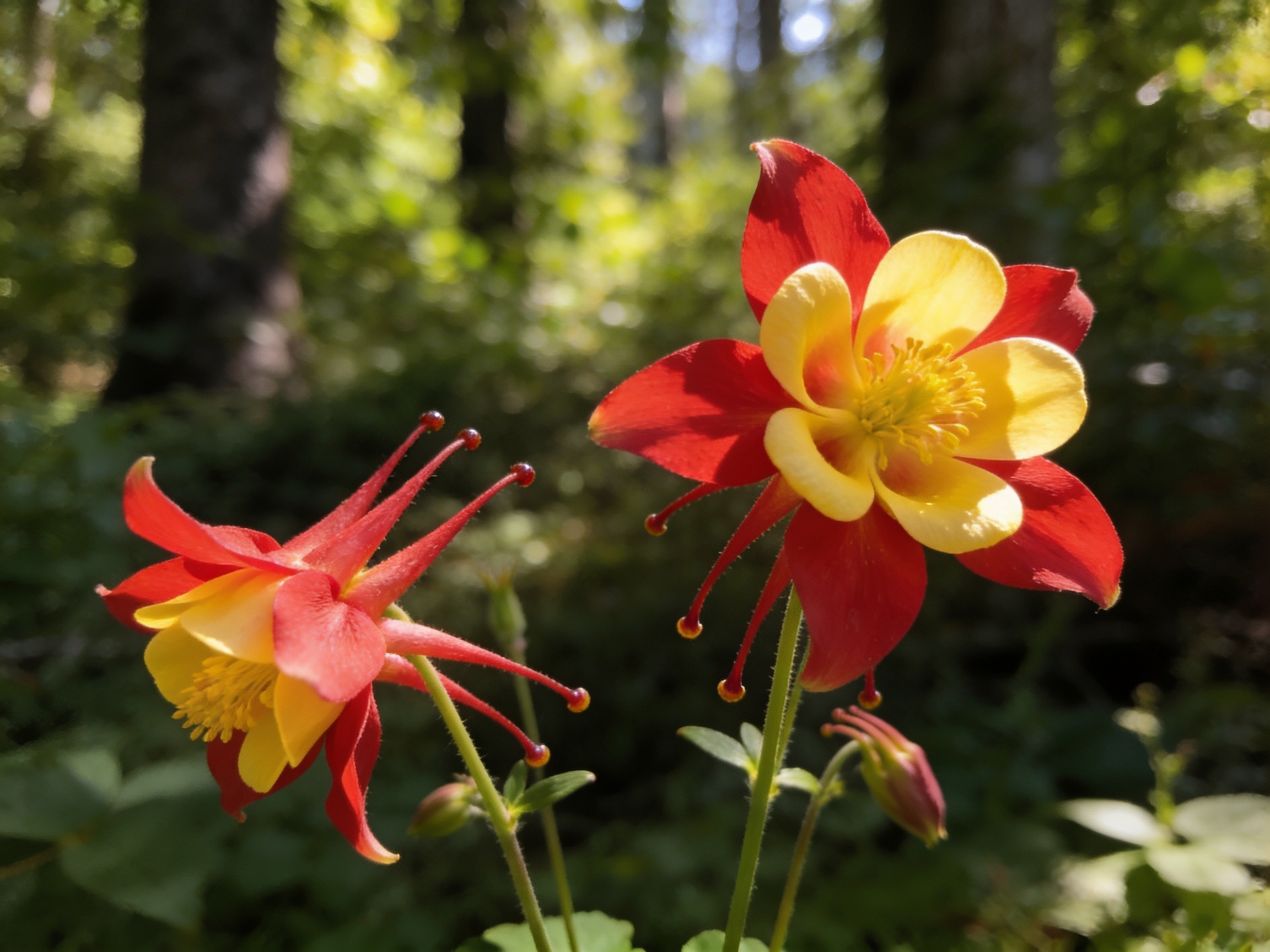
Columbine symbolizes both folly and resolve, a somewhat contradictory meaning inherited from Victorian flower language, though today it's more often simply admired for its whimsical, unmistakable shape.
Columbine prefers partial shade and well-draining soil, tolerating more sun in cooler climates. It self-seeds readily and often shows up in unexpected corners of the garden the following year, adding a naturalized, cottage-garden charm without any real effort required.
While some Native American traditions used columbine root in small, carefully prepared amounts, the plant contains compounds that can be toxic in larger quantities, so it's grown today strictly as an ornamental rather than for home remedy use.