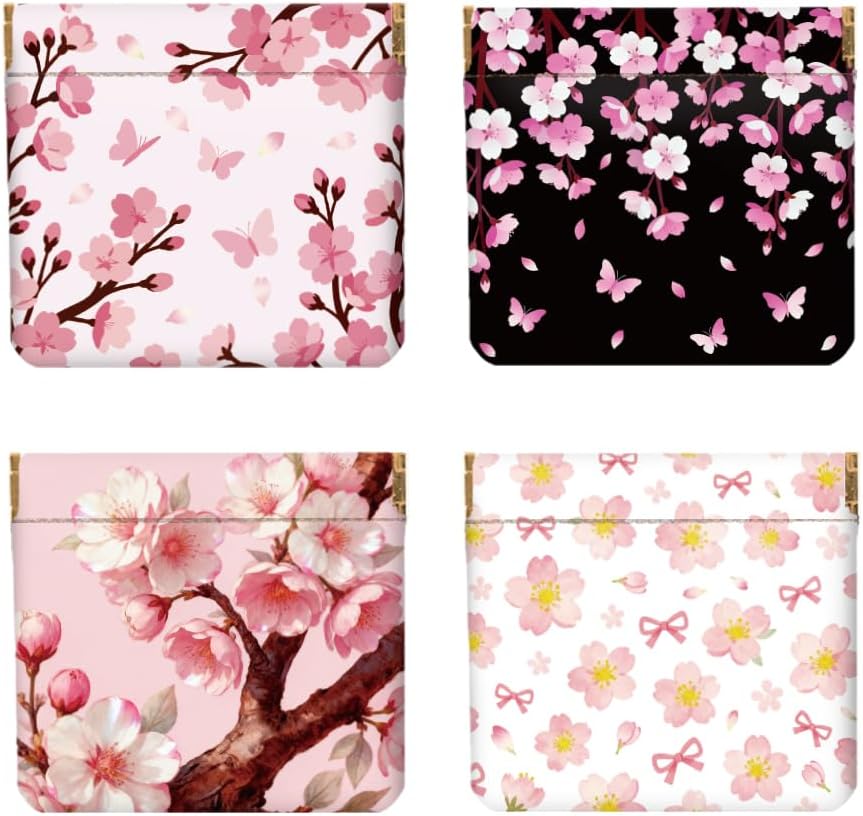
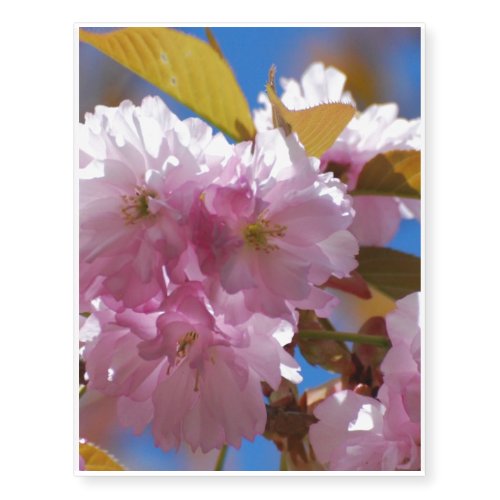
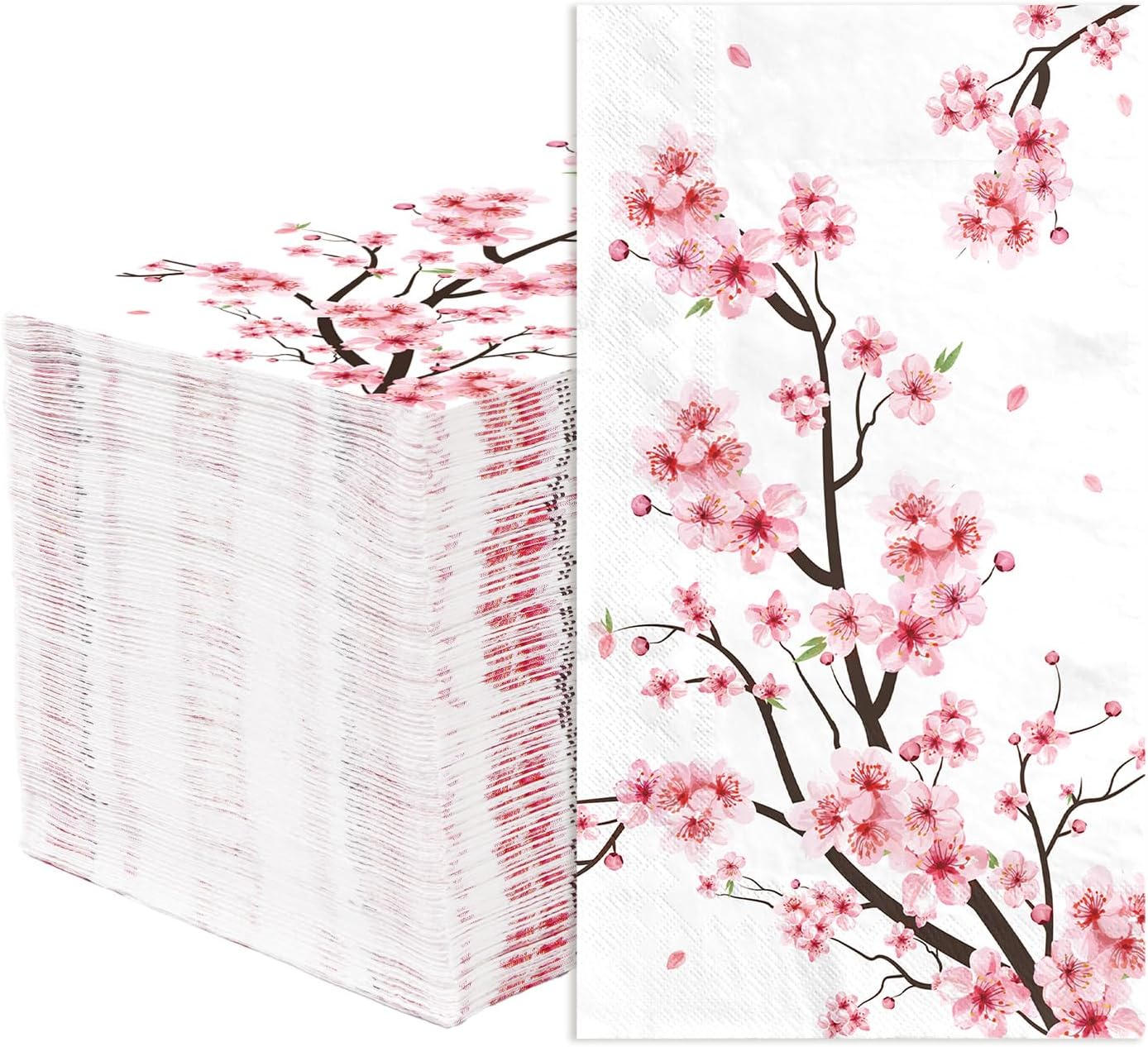
Cherry blossoms transform entire trees into clouds of delicate pink or white bloom each spring, a display so beloved it inspires dedicated festivals across the world.
Known as sakura in Japan, where the tradition of viewing cherry blossoms — hanami — dates back over a thousand years, ornamental flowering cherry trees are prized purely for their spectacular but fleeting bloom rather than fruit production. Most bloom for only one to two weeks each spring.
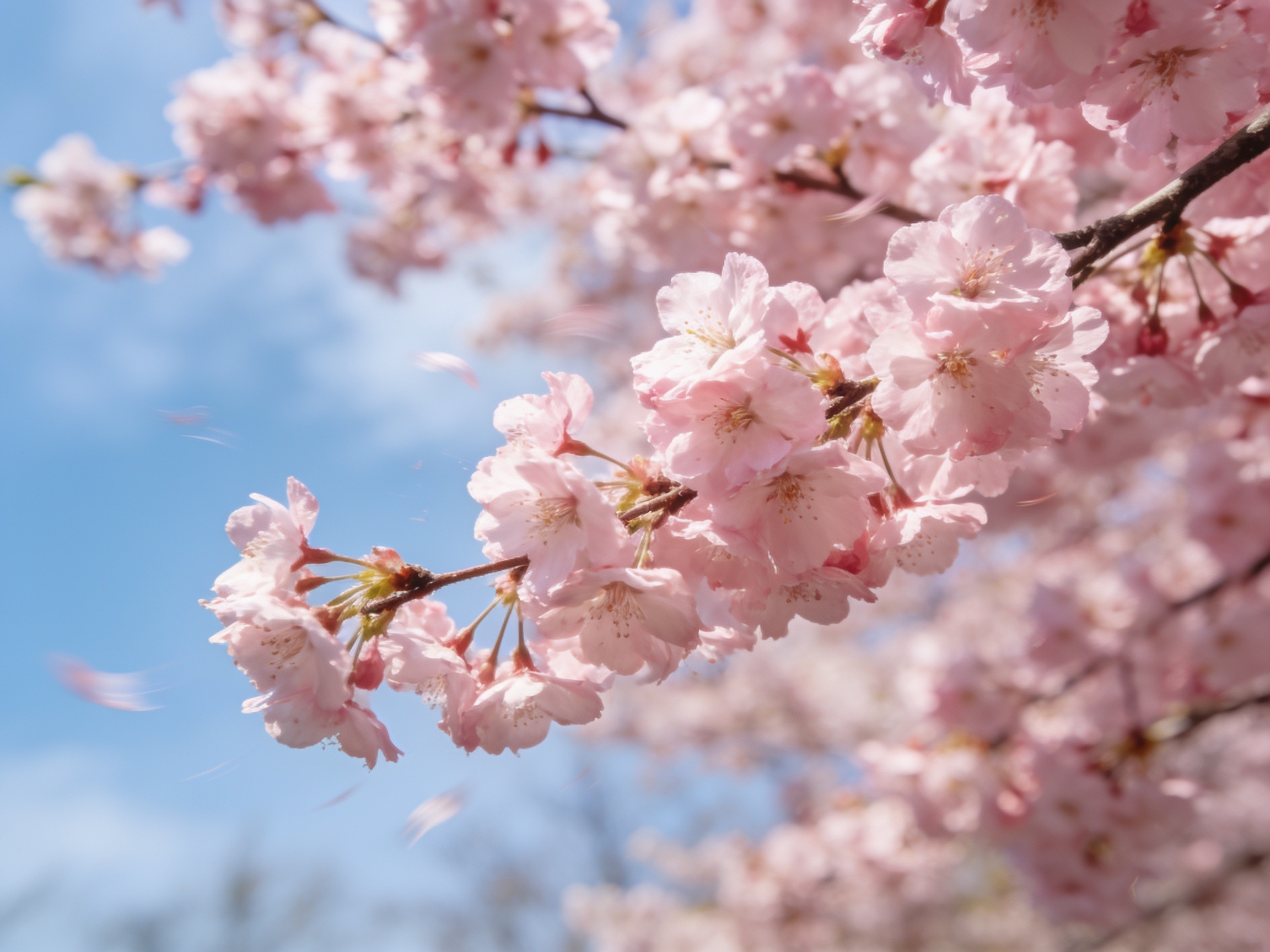
In Japanese culture, cherry blossoms represent the beautiful but fleeting nature of life, a concept known as mono no aware, since the blooms are stunning but last only a short time each year before falling.
Flowering cherry trees want full sun and well-draining soil, and most varieties are quite cold-hardy once established. Prune only right after flowering to avoid removing next year's flower buds, and provide good air circulation to reduce the risk of fungal disease common to the genus.
Cherry blossoms and leaves are used in some traditional Japanese foods and teas, valued for their delicate floral flavor, though ornamental flowering cherry varieties are grown primarily for their bloom rather than any culinary or medicinal use.