Charming Wild Flower Combinations
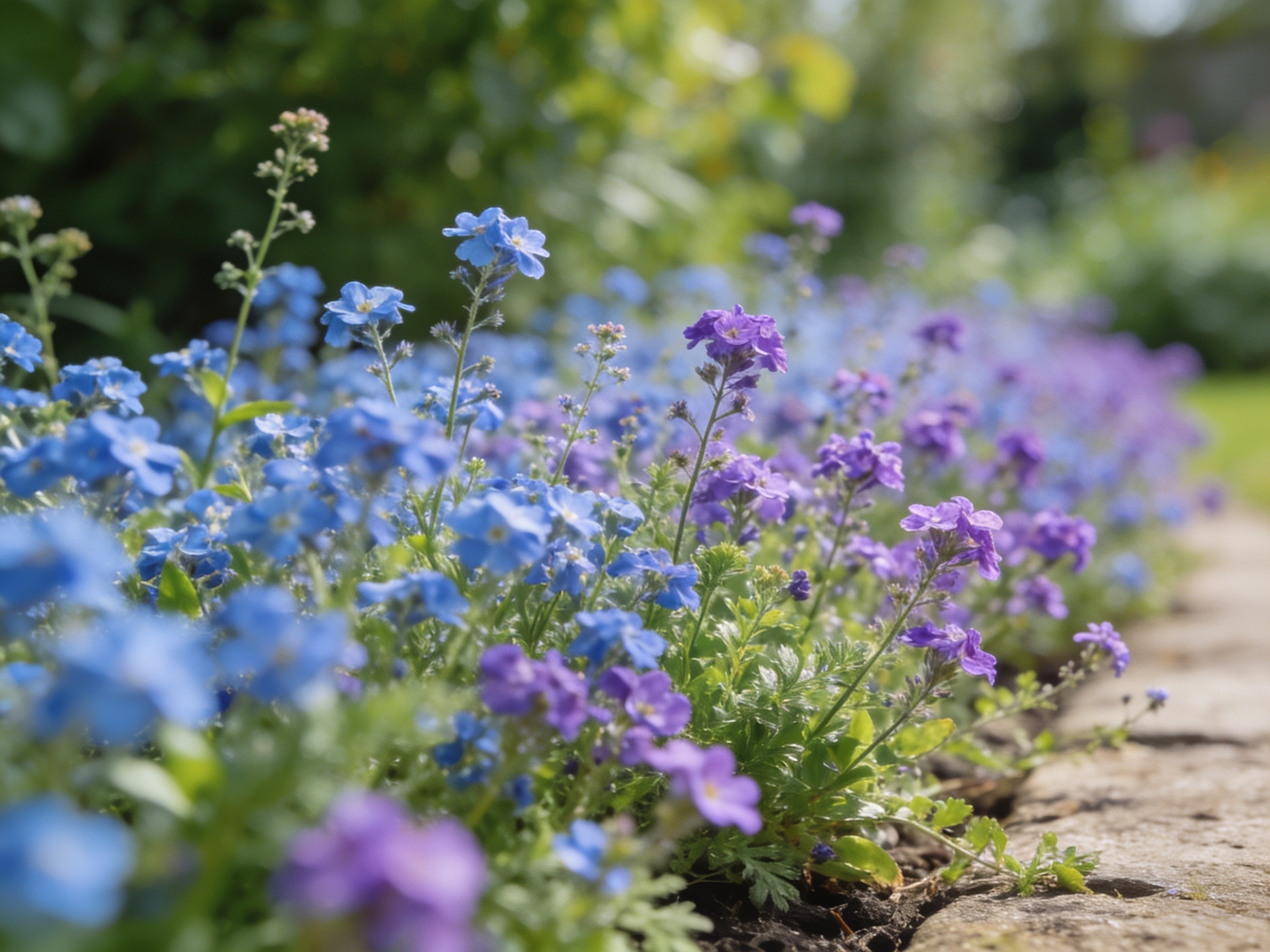
Grouping plants well — so they share soil and light needs, bloom together, and simply look like they belong side by side — is one mark of a gardener's growing skill. Wild flower drifts are some of the best teachers of that instinct.
Learning From Nature's Combinations
Studying wild flower groupings — banks of blue gilias and purple collinsias, cerise penstemons mixed with blue and purple ones — widens a gardener's sense of what colors work together. Self-sown plants often create the best accidents: green-blue nigellas springing up in a bed of crimson-scarlet delphinium, or bright pink volunteers turning up among lavender-blue ceanothus. These unplanned pairings are frequently more striking than anything deliberately designed.
Building Your Own Combinations
You don't have to leave everything to chance — annuals let you control timing and placement directly, so the bloom lands exactly when and where you want it. Pair the graceful, bendy stems of Papaver heterophylla with its tangerine and maroon-blotched flowers, or set deep magnolia-purple honesty behind blue-purple cinerarias for contrast. The advantage of annuals over self-seeders is control: sowing or transplanting on your own schedule means the blossoms arrive right on cue.
Let a few plants self-seed freely for a season before editing the bed — the volunteer combinations that show up are often more interesting than what you'd have planned yourself.