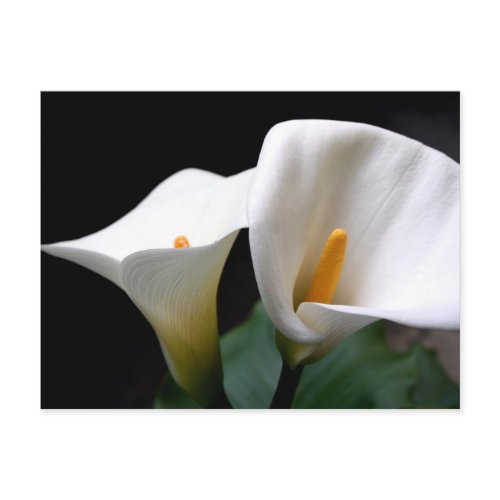
Calla Lilies
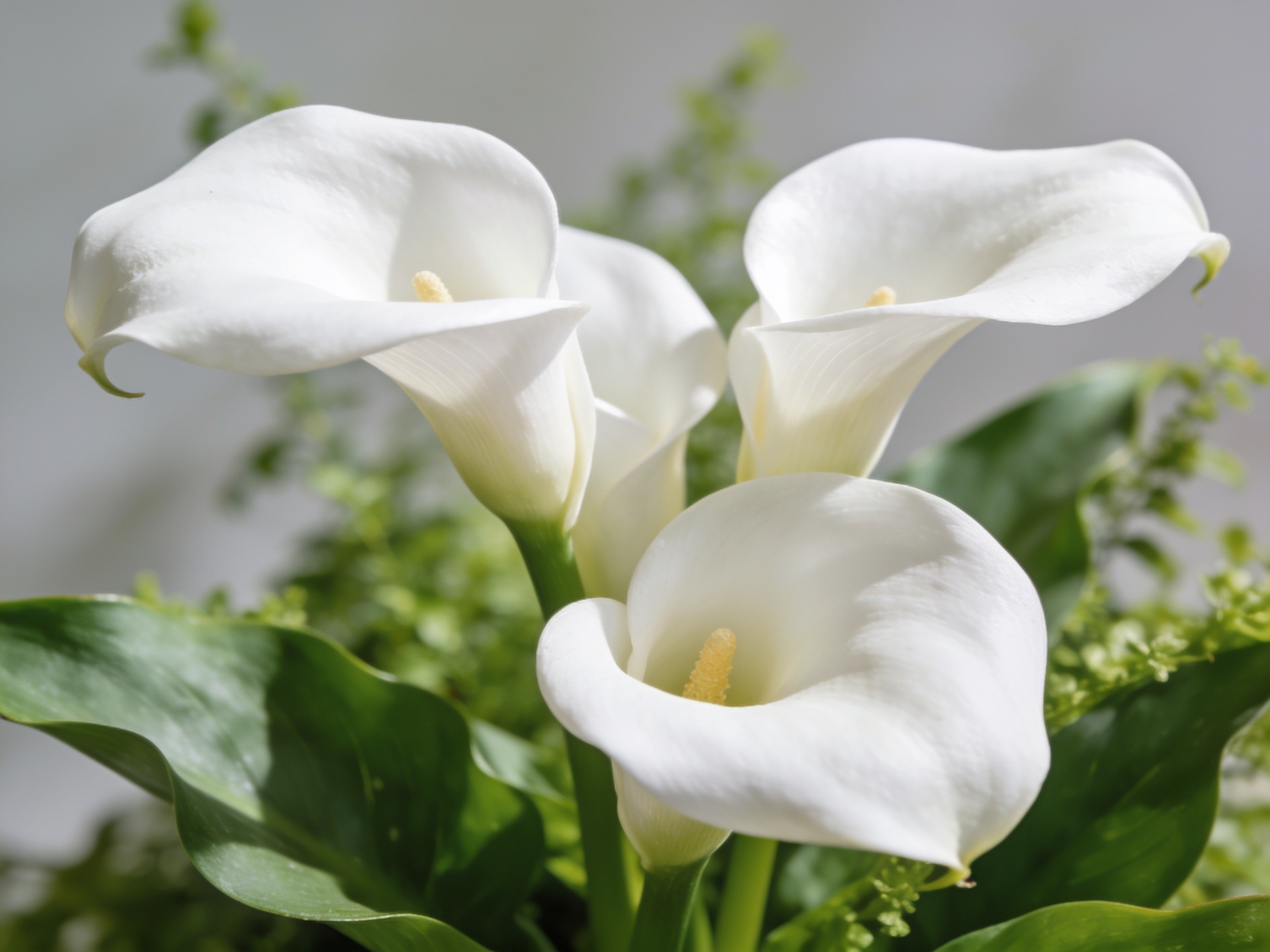
Calla lilies (scientific name Zantedeschia) are genuine perennials, but they come in two quite different forms — and knowing which one you have changes how you care for it.
Two Kinds of Calla
The classic florist calla — large, white or occasionally yellow, evergreen, and hardy to zone 7 — keeps its leaves year-round and needs plenty of water. The colorful deciduous type, with pink, red, or plum blooms, loses its leaves entirely when it rests, and its flat, disc-shaped rhizomes look nothing like the evergreen type's long oval ones. In milder zones like USDA zone 9, calla lilies can go straight into the ground and thrive with regular water and feeding.
Getting Through Dormancy
While the plant is actively growing, don't cut the stem back until it withers and dies on its own — the longer it stays green, the more the bulb recharges. Once leaves start yellowing at season's end, ease off watering rather than cutting it dry immediately. If your climate isn't cold enough to naturally put a calla to sleep, a deciduous variety can be chilled in a fridge around 33–35°F for about six weeks to trigger the rest period it needs before blooming again. A dormant calla in a pot of seemingly dead soil looks alarming, but it's completely normal — keep the soil barely moist, checked every couple of weeks, until new growth appears.
Calla lilies are unusually forgiving of overwatering, which makes them a good starter plant for beginners still learning to judge how much water a plant actually needs.