Bulbs and Tulips
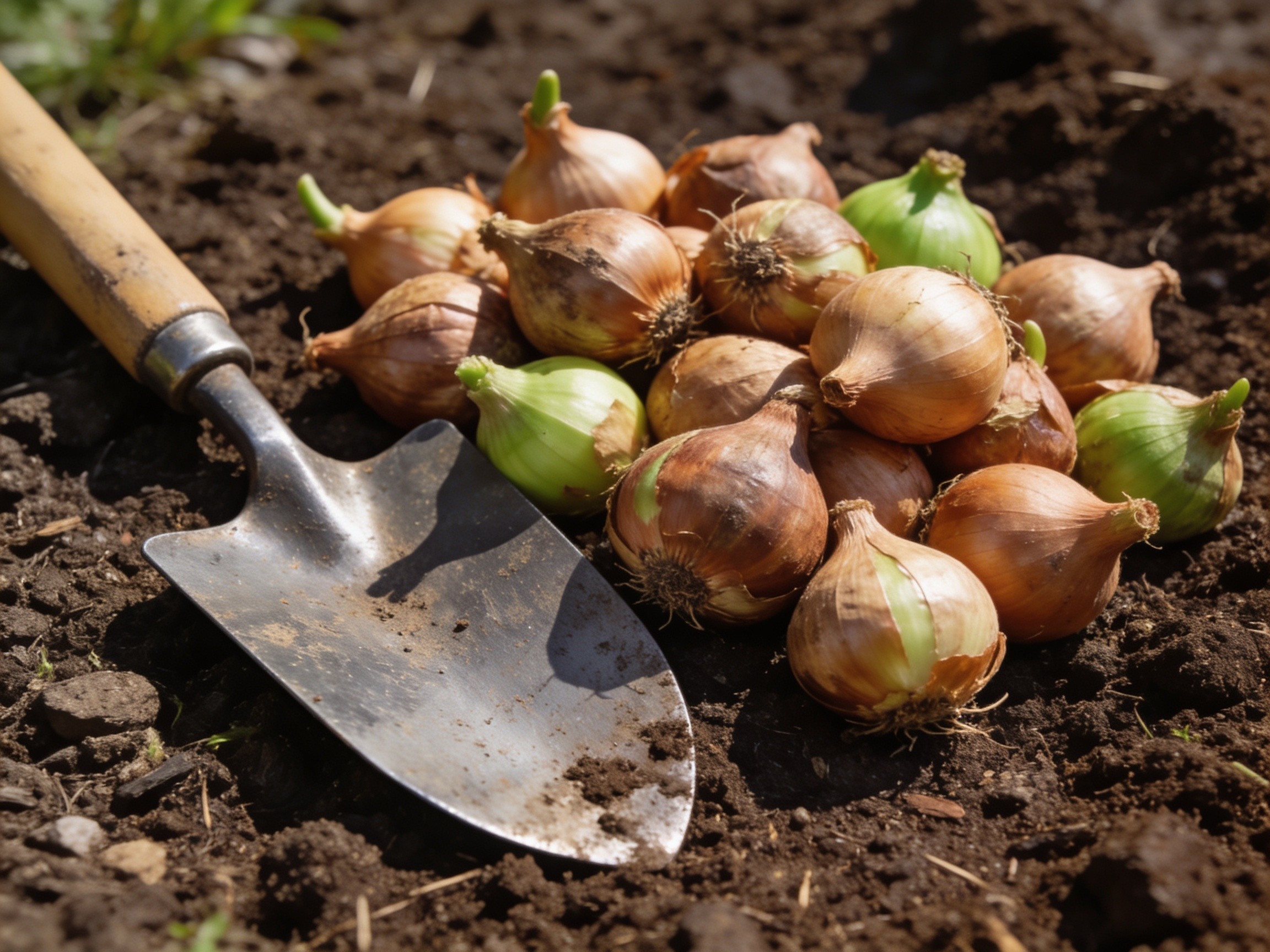
A bulb is essentially a plant's own storage unit — and understanding that structure explains most of the rules around growing them.
What Makes a True Bulb
A true bulb is an underground stem with thickened leaf bases that store food for the dormant plant — onions, garlic, lilies, tulips, amaryllis, and iris all form true bulbs this way. Most need a cold winter to bloom reliably each year, though warm-climate regions like Florida, Tennessee, Arizona, and Texas have their own cold-tolerant species, including several narcissus types, French Roman hyacinth, and certain tulips. Bulbs split into two care categories: some — botanical tulips, snowdrops, grape hyacinths, narcissi, daffodils — can stay in the ground year-round, while garden tulips, hyacinths, and most gladioli need lifting and storing once their foliage shrivels.
Planting Tulip Bulbs
Plant tulip bulbs about 4 inches deep and 4 inches apart in fertile, sandy, sunny soil, watering as buds rise to encourage bigger blooms and taller stems. Top-dress in autumn after planting, and don't cut back the foliage until it's fully browned — cutting early robs the bulb of the energy it needs for next year. Fall planting, right up through November, gives bulbs the cold exposure they need to root properly, and watch for slugs, which have a particular taste for tulips.
Bulbs spread readily by self-seeding over the years — leave room around them so they don't crowd out more delicate neighboring plants.