Black eyed Susan's golden petals ringing a dark chocolate-brown center make it one of the most recognizable native wildflowers in North America, thriving in poor soil where fussier plants would sulk.
A tough, adaptable prairie native, black eyed Susan self-seeds readily and draws in bees and butterflies all summer, making it a mainstay of low-maintenance meadow and pollinator gardens.
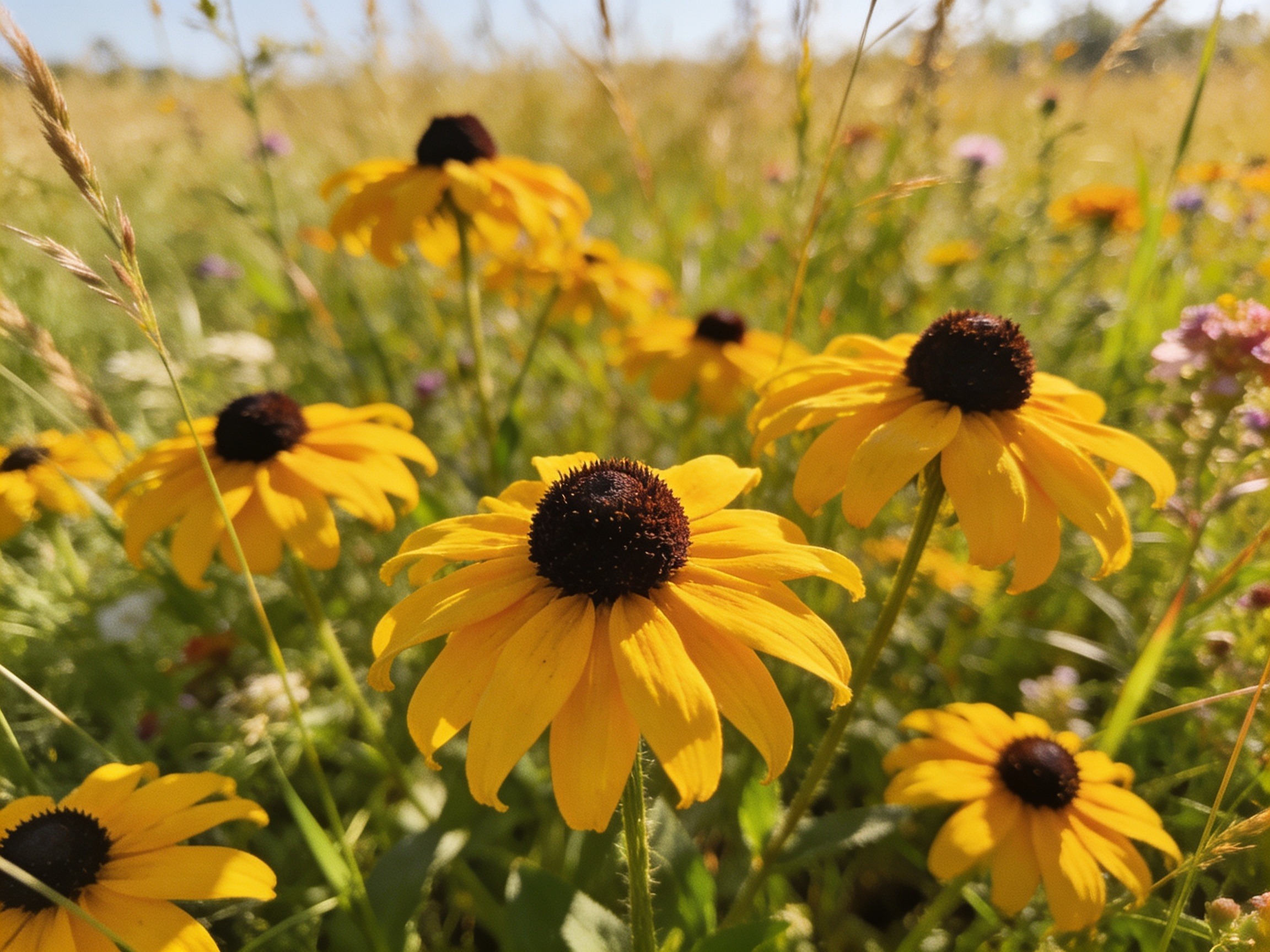
Black eyed Susan tolerates poor, dry soil and thrives with minimal care once established, needing only full sun and occasional watering during extended drought. Deadheading spent blooms encourages more flowers, though leaving some seed heads in place feeds birds through fall and winter.
Native peoples historically used black eyed Susan roots in folk remedies for colds and minor ailments, though it's grown today almost exclusively as an ornamental and pollinator plant.