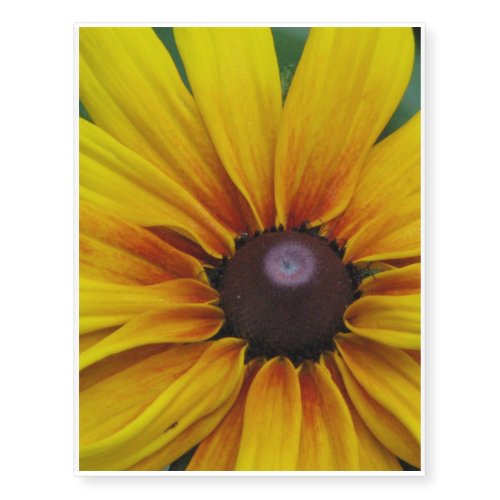
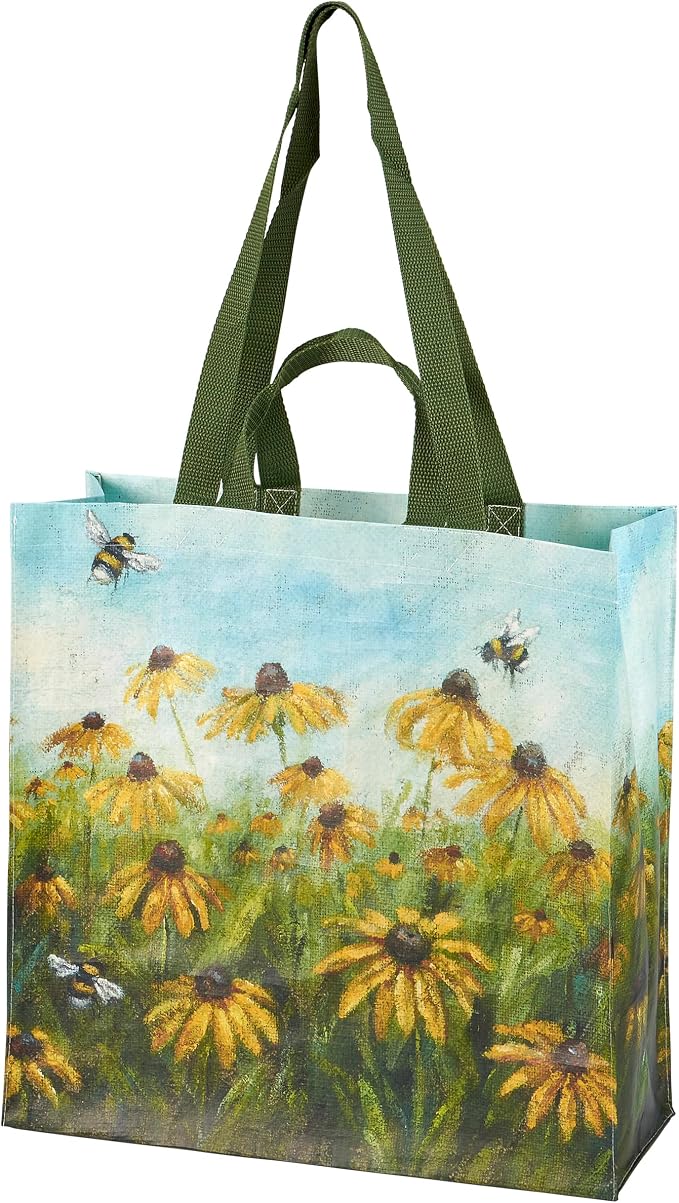
Black-eyed Susan brings sunny, golden-petaled blooms with a dark central cone to gardens and roadsides across North America, thriving in even the toughest, most neglected conditions.
This tough, adaptable native wildflower has become a garden favorite for its long bloom season and near-total lack of fussiness. Its cheerful golden-yellow petals surrounding a dark brown center have made it an unmistakable presence in prairie and pollinator gardens nationwide.
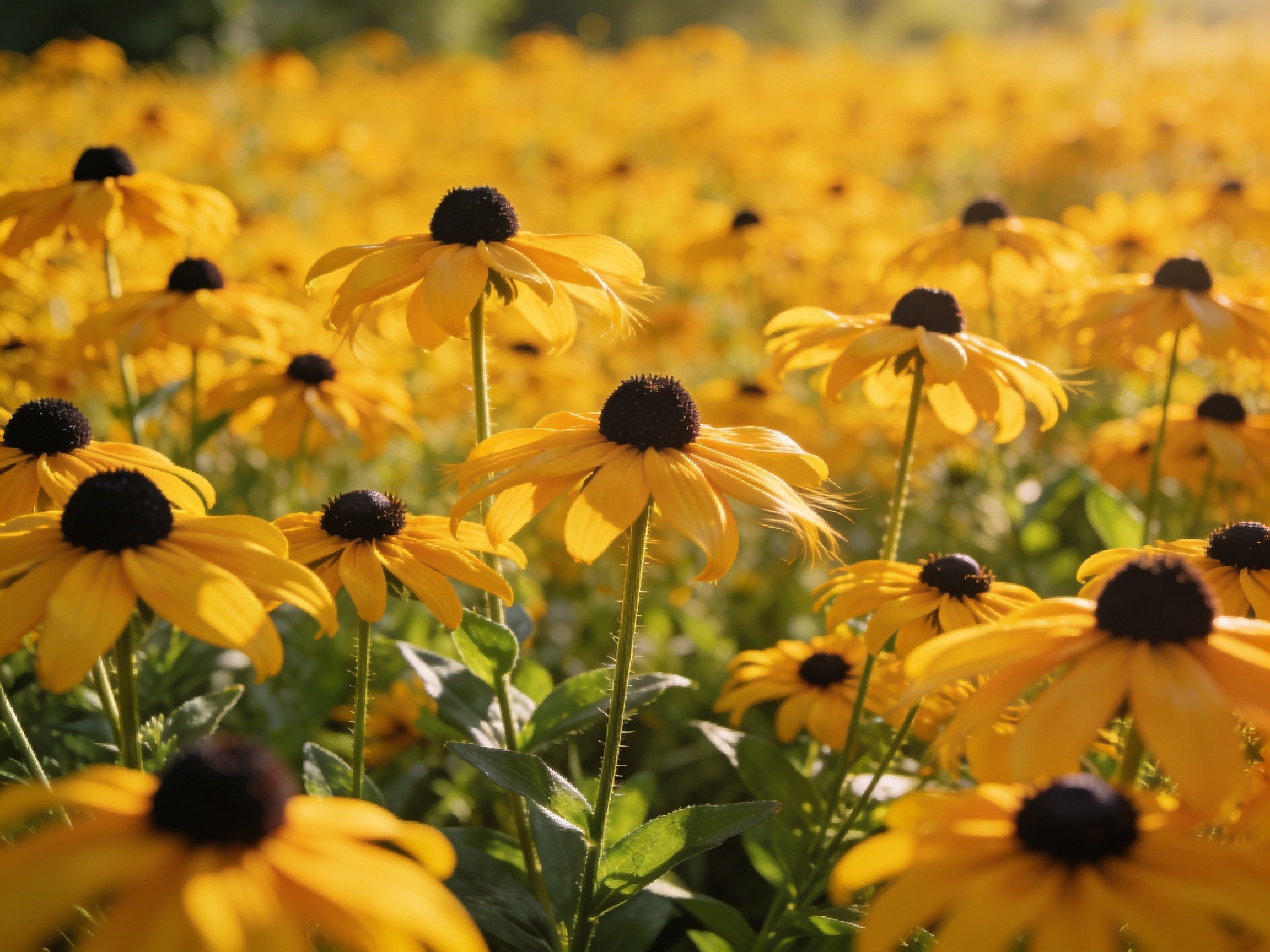
Black-eyed Susan symbolizes encouragement and justice, and as Maryland's official state flower, it's become an emblem of resilience — fitting for a plant that thrives in poor soil and difficult conditions where other flowers struggle.
Black-eyed Susan tolerates poor, dry soil and full sun with ease, making it one of the most forgiving native perennials for a beginner gardener. It self-seeds readily and often naturalizes into a small colony over a few seasons, and deadheading spent blooms extends flowering well into fall.
Native American traditions used black-eyed Susan root preparations for colds, swelling, and snake bites, though modern herbal use of the plant is limited and it's grown today primarily as an ornamental and pollinator plant.