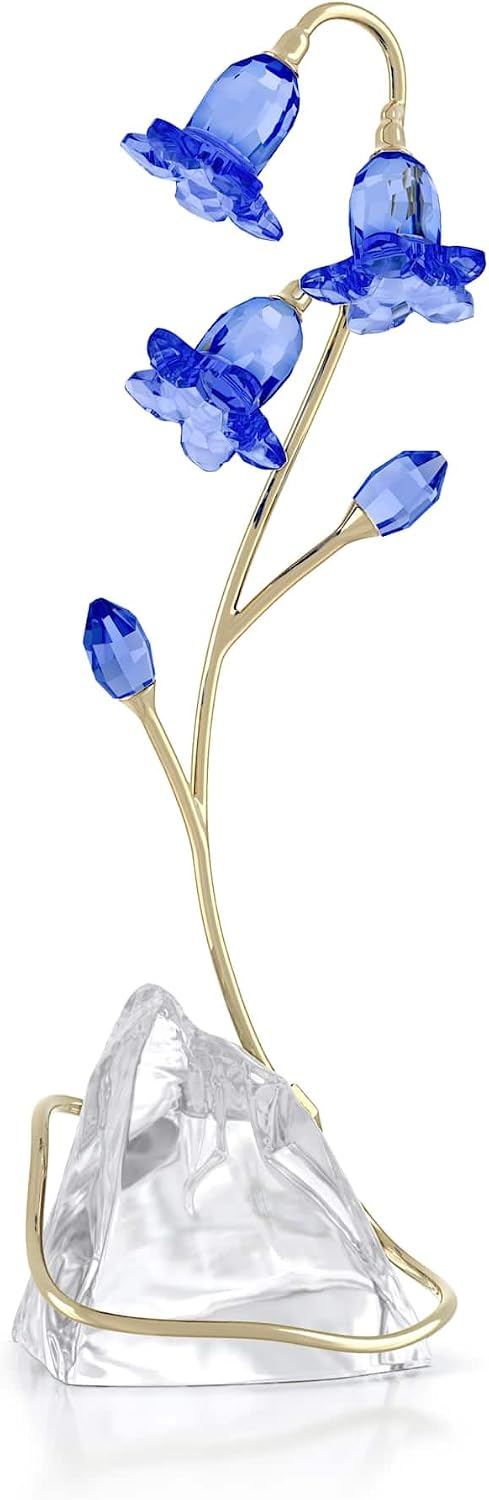
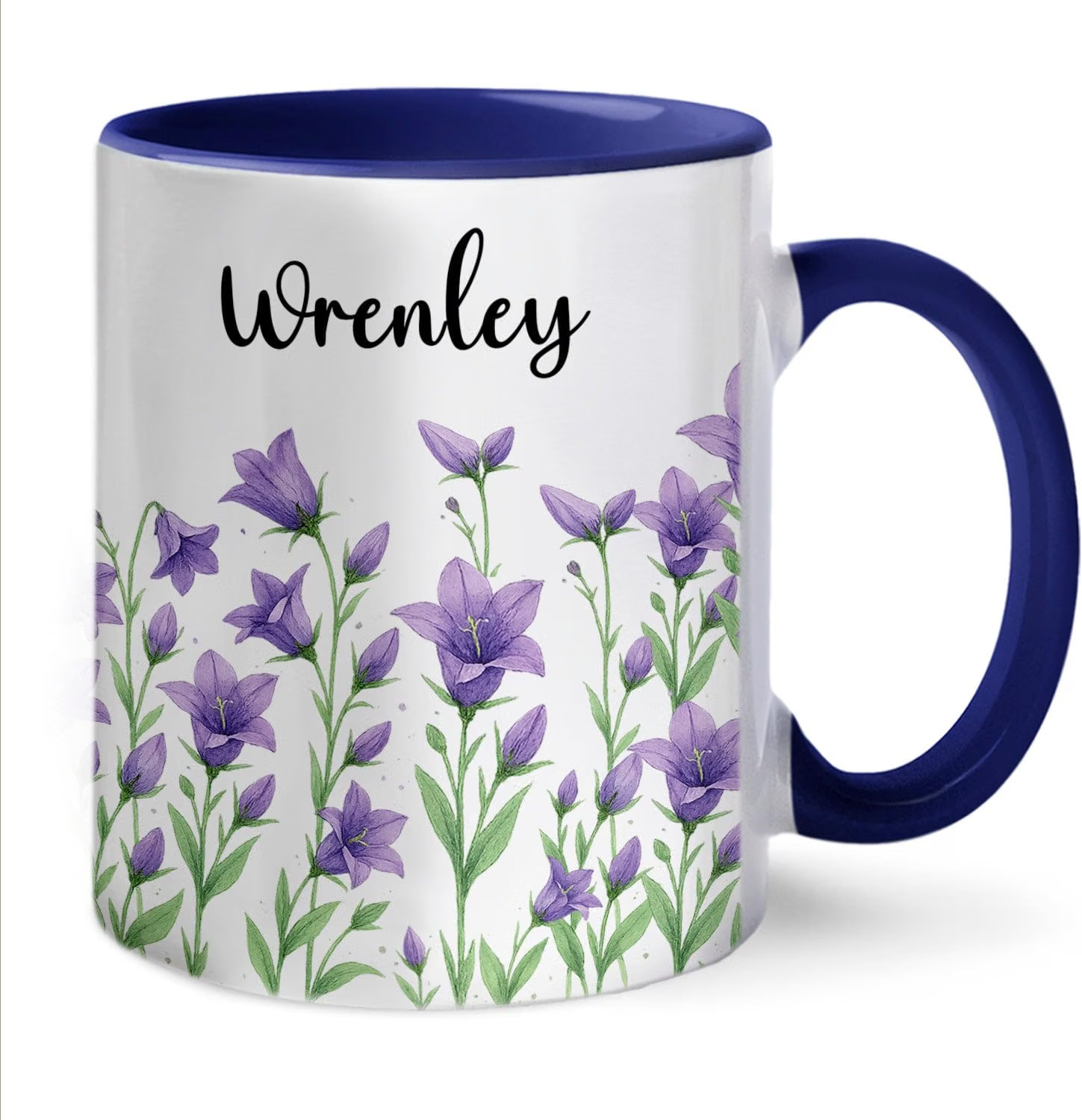
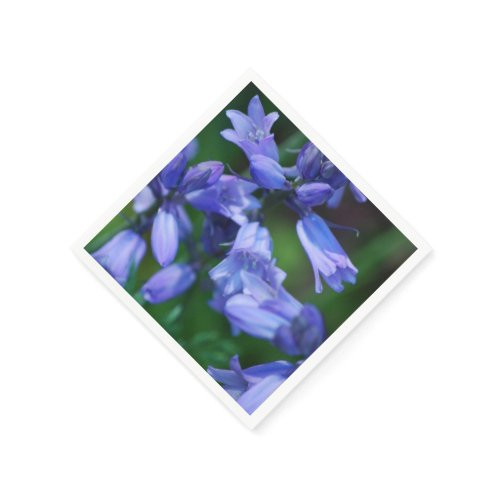
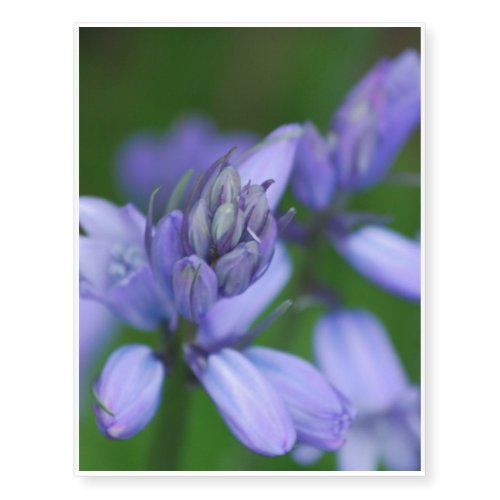
Bellflower produces dainty, drooping bell-shaped blooms in shades of blue and purple, bringing an old-fashioned, romantic charm to borders and rock gardens alike.
This large genus, native to the Northern Hemisphere, ranges from tiny alpine species suited to rock gardens to taller varieties that anchor the middle of a perennial border. Its name comes directly from the Latin "campana," meaning bell, describing the flower's distinctive shape.
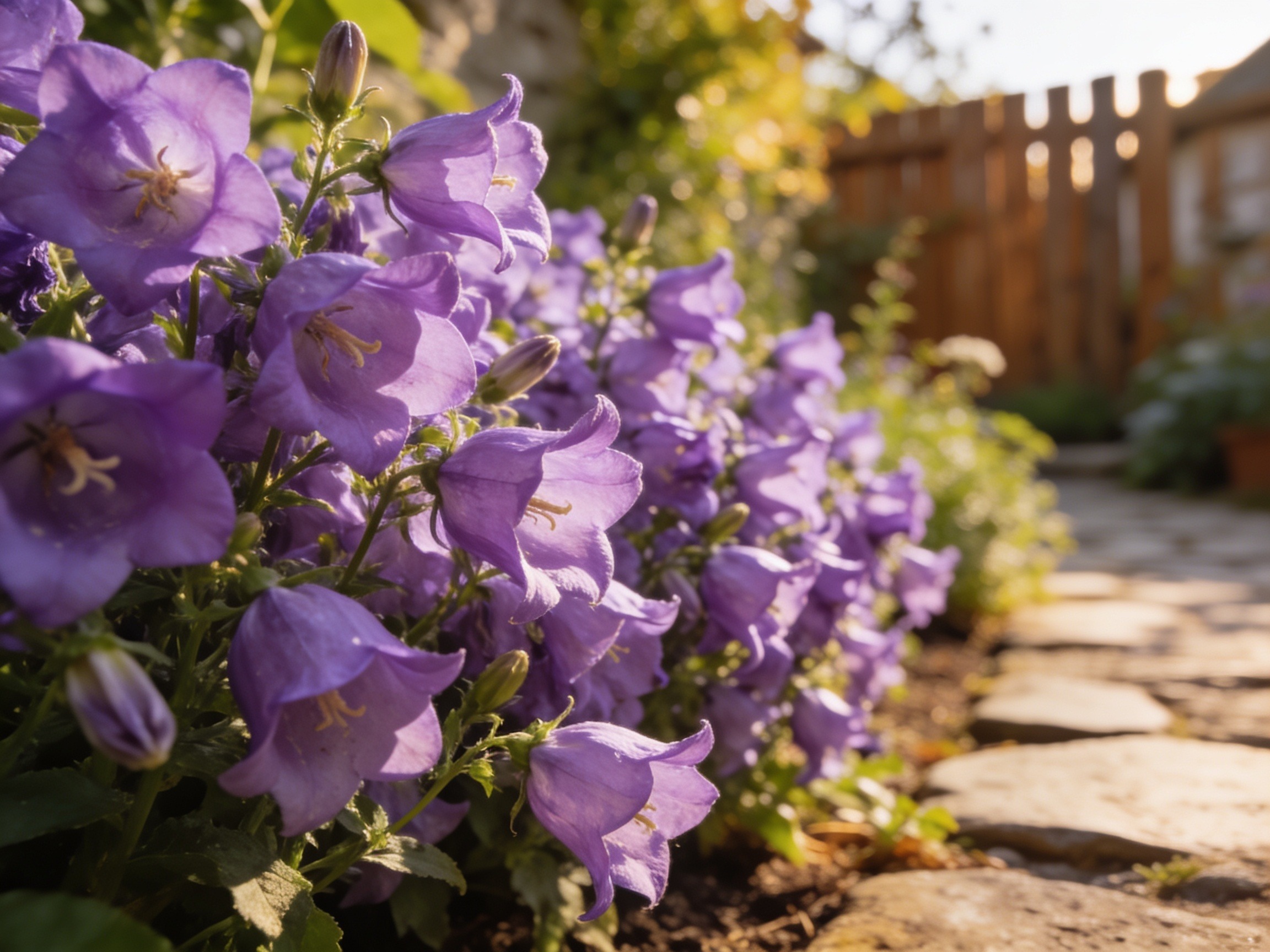
Bellflower symbolizes gratitude and constancy, and its gentle, nodding bloom has long been associated with humility in the traditional language of flowers.
Bellflower prefers full sun to partial shade and well-draining soil, and most varieties are quite cold-hardy and low-maintenance once established. Deadheading spent blooms encourages a longer flowering period, and taller varieties may benefit from light staking to keep their stems upright.
Some bellflower species have a history of use in traditional European folk medicine for coughs and sore throats, though today the plant is grown almost exclusively as a garden ornamental.