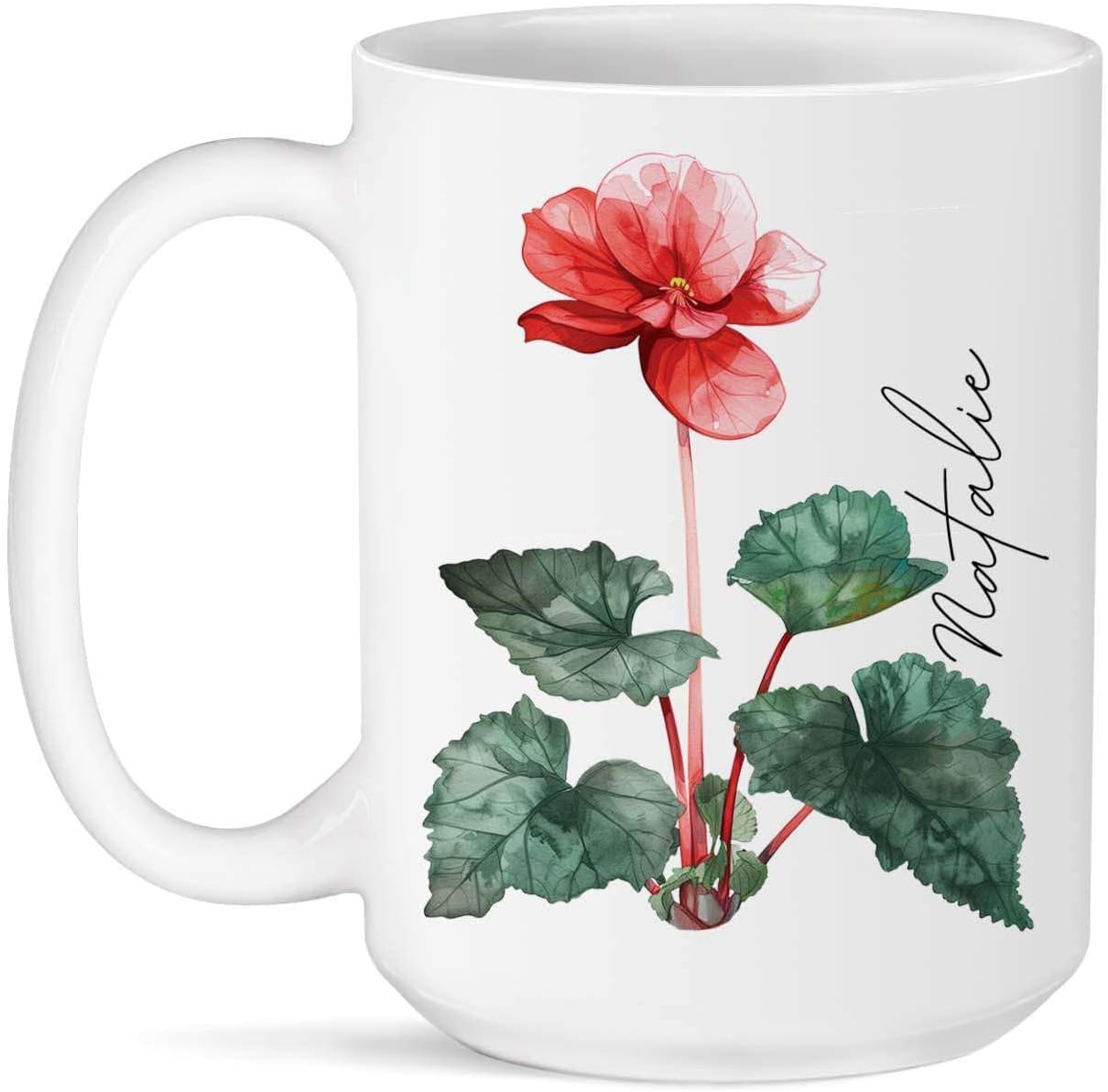
Begonias offer one of the largest and most varied plant families for shady spots, ranging from compact wax begonias for bedding to dramatic tuberous varieties grown for their large, rose-like blooms.
With over 1,000 known species native to tropical and subtropical regions worldwide, begonias offer remarkable diversity in leaf shape, texture, and flower form. Many varieties are grown as much for their striking, often asymmetrical foliage as for their flowers.
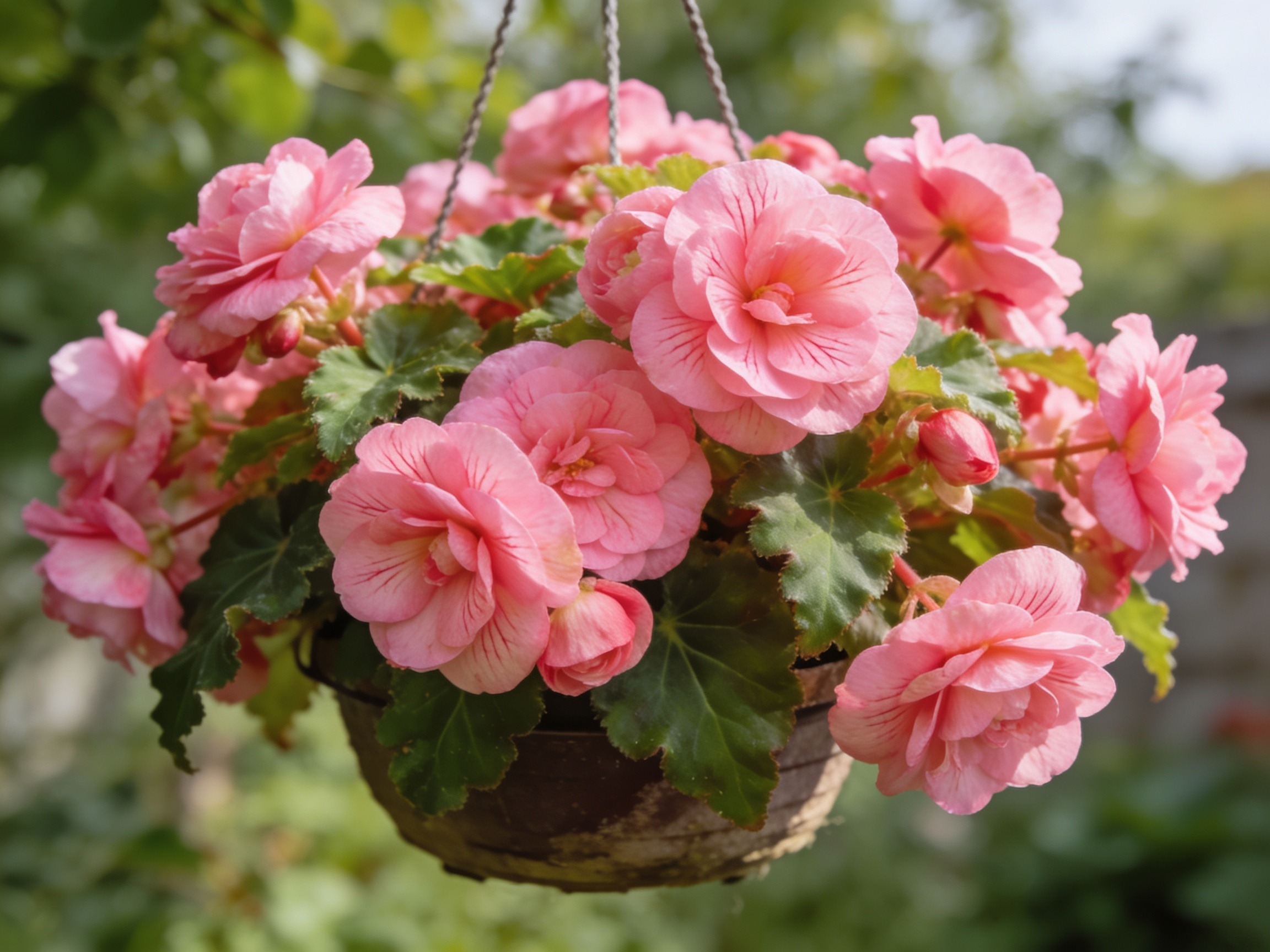
Begonias traditionally symbolize caution and being mindful, a meaning that dates back to Victorian flower language when the plant was thought to warn a recipient to be careful.
Most begonias prefer bright, indirect light and consistently moist but not waterlogged soil, making them excellent choices for shaded containers, hanging baskets, and beds. Tuberous begonias are frost-tender and are typically dug up and stored indoors over winter in colder climates, replanted again the following spring.
Some begonia species have a history of use in traditional medicine across their native tropical regions, though today they are grown almost exclusively as ornamental plants rather than for medicinal purposes.