Basics of Flower Gardening
A handful of habits separate a flower bed that merely survives from one that truly thrives.
Cover the Essentials First
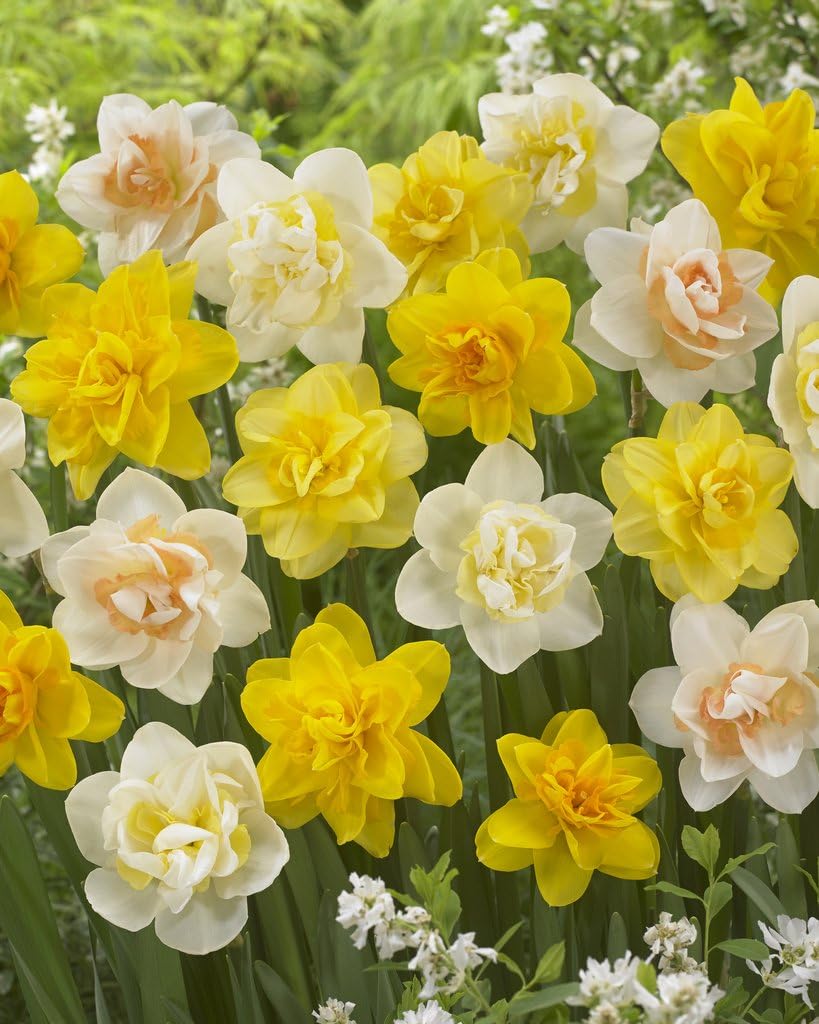
Water, light, and fertile soil are non-negotiable — skimp on any one and you're setting the bed up to fail. Water more often during dry spells, and plant bulbs deep enough that roots have real room to establish. Mixing perennials with annuals keeps the show going: perennials return on their own for years, while annuals fill in for a single season, and together they keep the bed from ever looking bare.
Deadhead, and Know Your Bugs
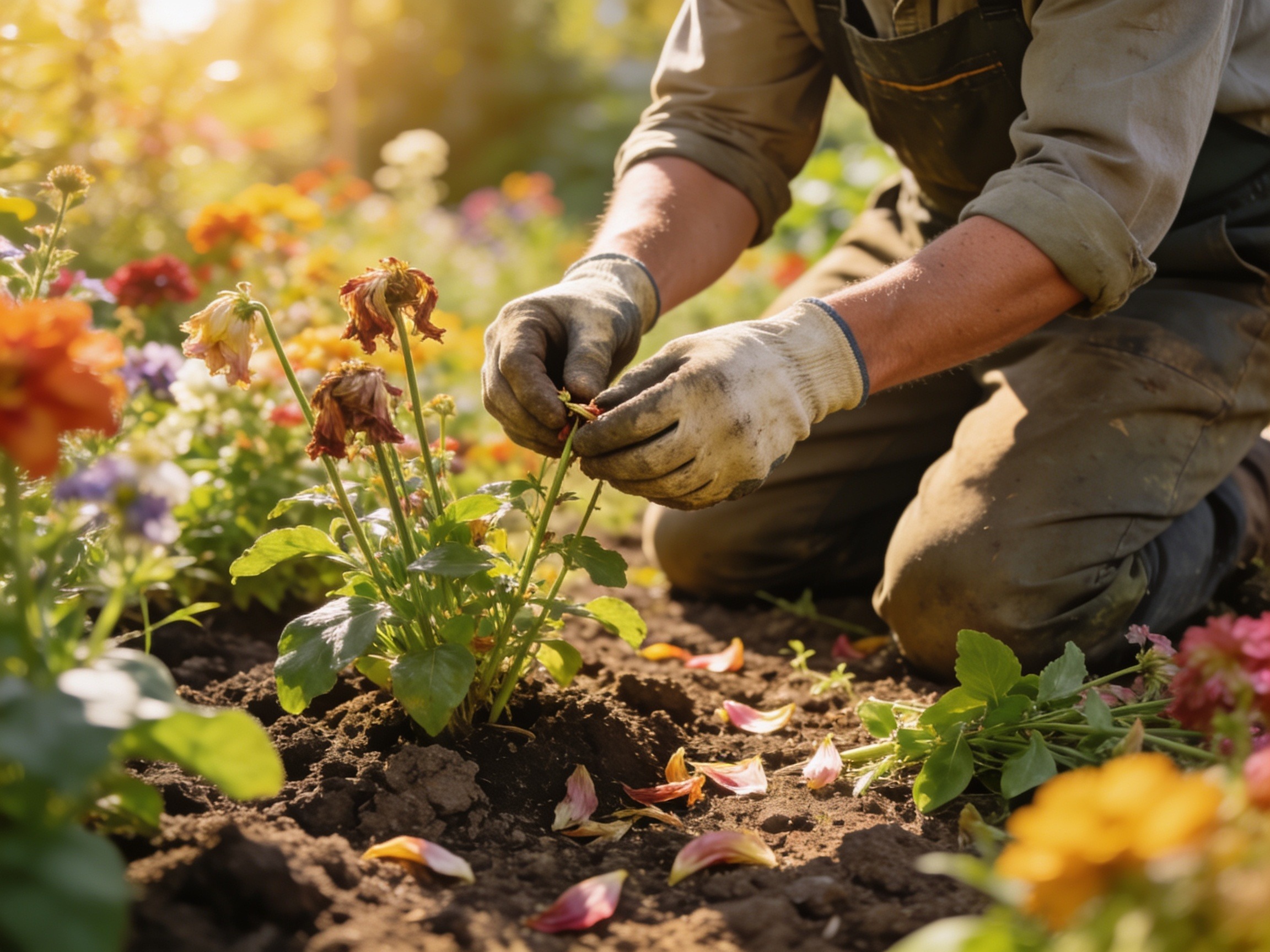
Snipping off spent blooms — deadheading — pushes the plant to produce more flowers rather than go to seed; just don't leave the clippings in the bed, where they can invite mildew and disease. And not every insect in the garden is a threat: butterflies, bees, and beetles pollinate roughly 80% of flowering plants, while sow bugs, dung beetles, and soil microbes break down dead material into nutrients the bed can use. Learning which bugs to leave alone is as useful as any pruning technique.
A flower's bright color exists to attract pollinators, not people — lean into that and your garden will do a lot of the pest-management work for you.