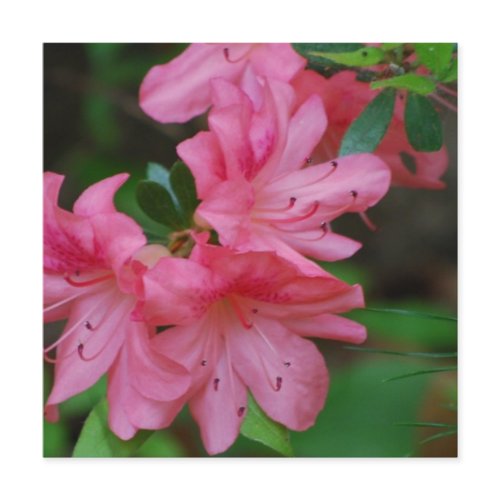
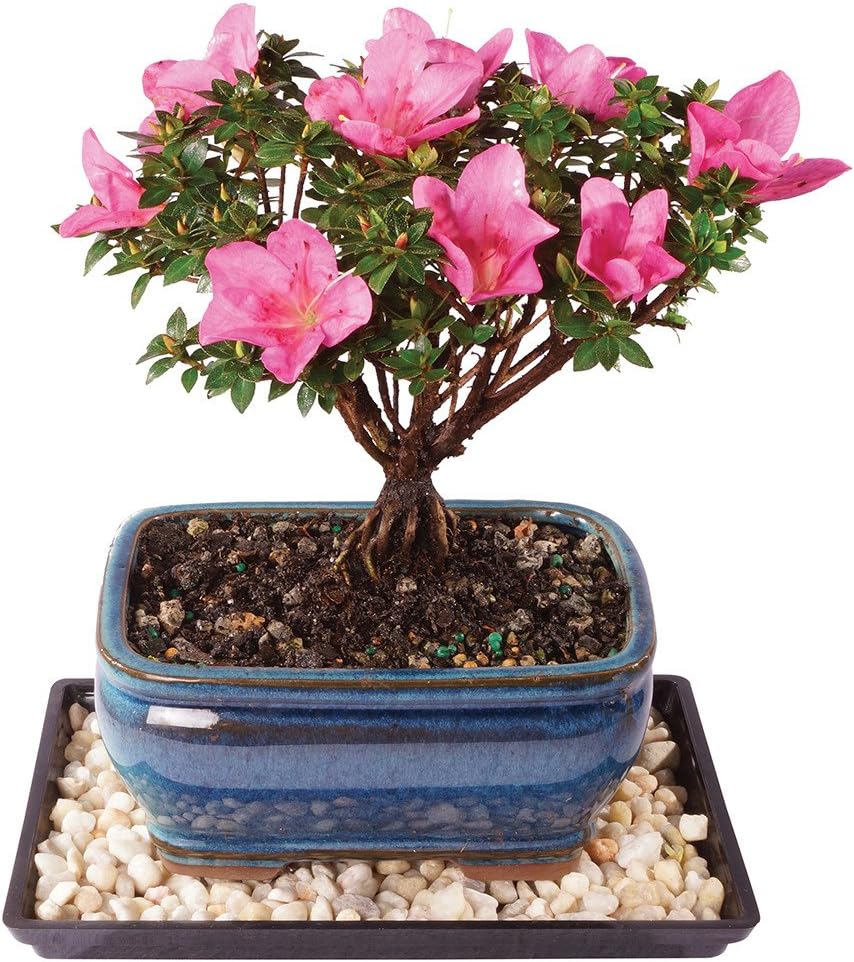
Azaleas erupt in a dense, vibrant flush of bloom each spring, blanketing their branches so thoroughly that the foliage nearly disappears beneath the flowers.
A member of the rhododendron family, azaleas are woody flowering shrubs native to Asia, Europe, and North America, prized for generations in gardens throughout the American South and beyond. Both evergreen and deciduous types exist, offering a wide range of bloom colors and mature sizes.
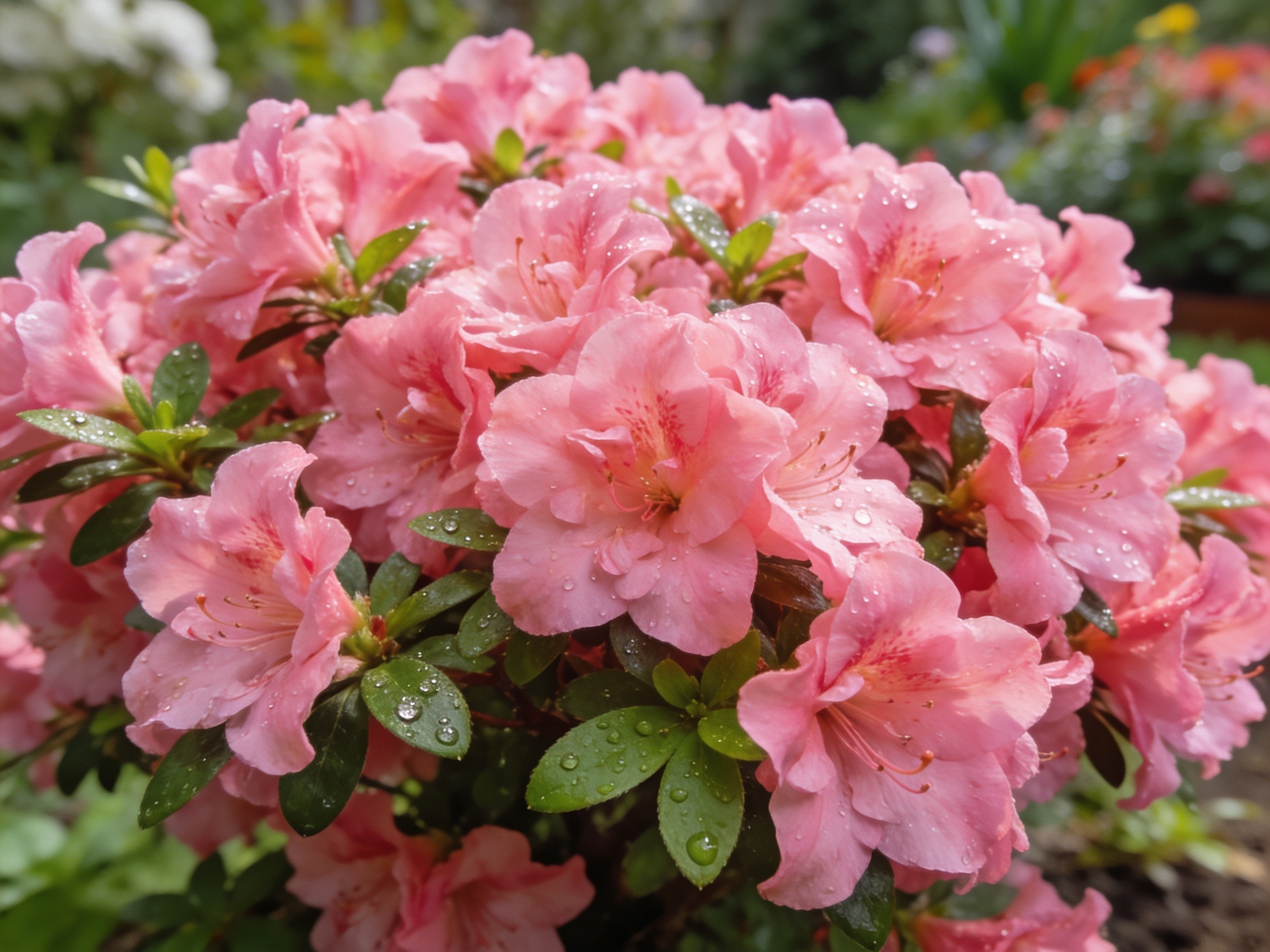
Azaleas symbolize temperance and fragile passion, and in Chinese culture, the flower is sometimes referred to as the "thinking of home bush," carrying gentle associations with homesickness and remembrance.
Azaleas need acidic, well-draining soil and dappled or partial shade, since intense afternoon sun can scorch their shallow root systems and foliage. A generous layer of mulch protects those shallow roots and helps maintain the consistent moisture azaleas depend on. Pruning right after flowering, rather than in fall or winter, preserves next year's bloom buds.
Azaleas contain toxic compounds called grayanotoxins and are not used in modern herbal medicine — all parts of the plant should be considered unsafe to ingest, and it's grown strictly as an ornamental.