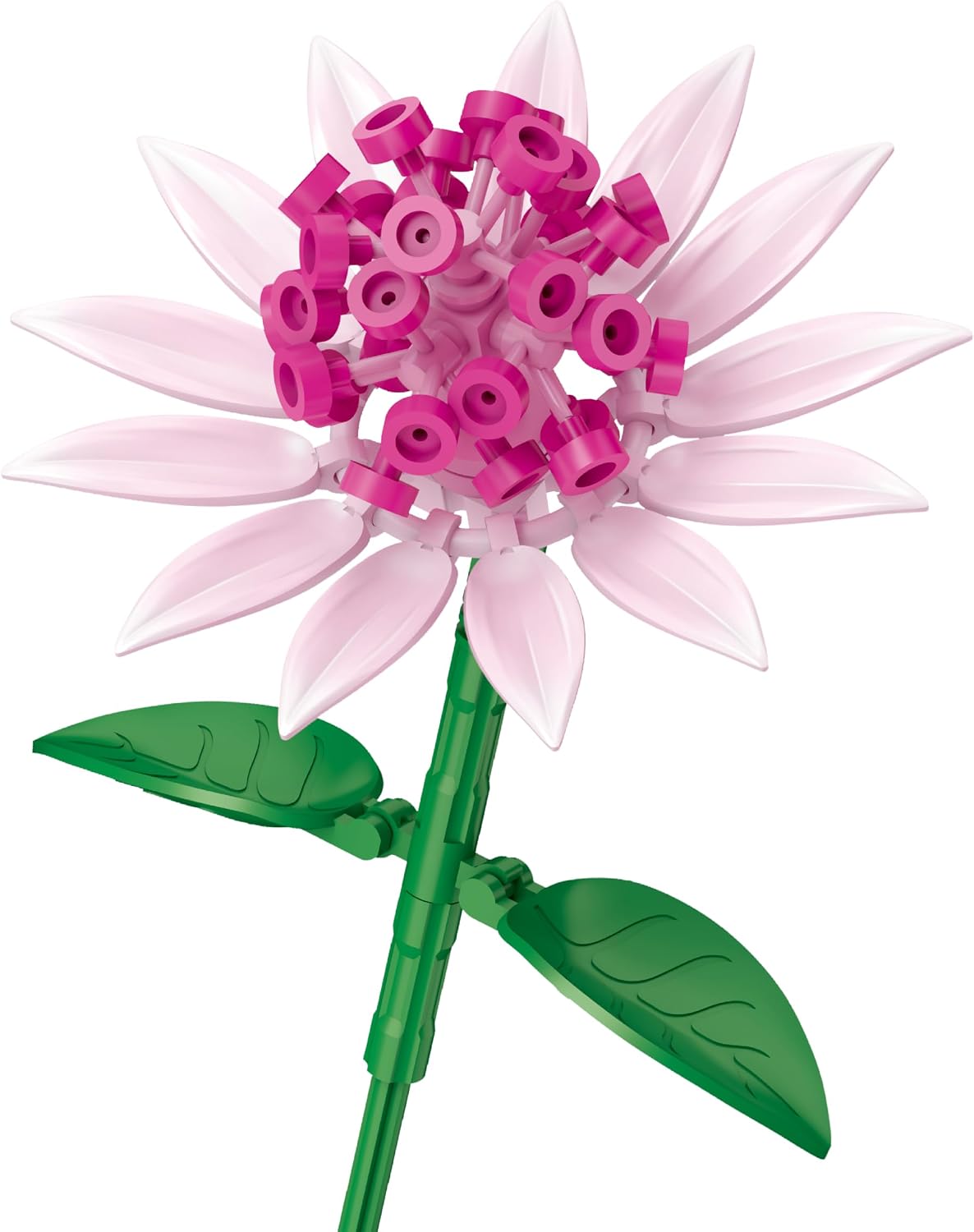
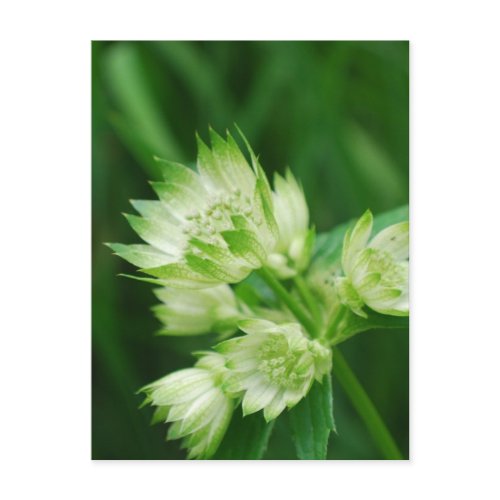
Astrantia, or masterwort, produces intricate, pincushion-like flower heads surrounded by papery bracts, giving it a delicate, almost otherworldly texture unlike most cottage garden perennials.
Native to woodland meadows across Europe and western Asia, Astrantia has become a favorite of cottage gardeners and florists alike for its long-lasting, unusual blooms. Its papery bracts hold their color and shape for weeks, both in the garden and in cut arrangements.
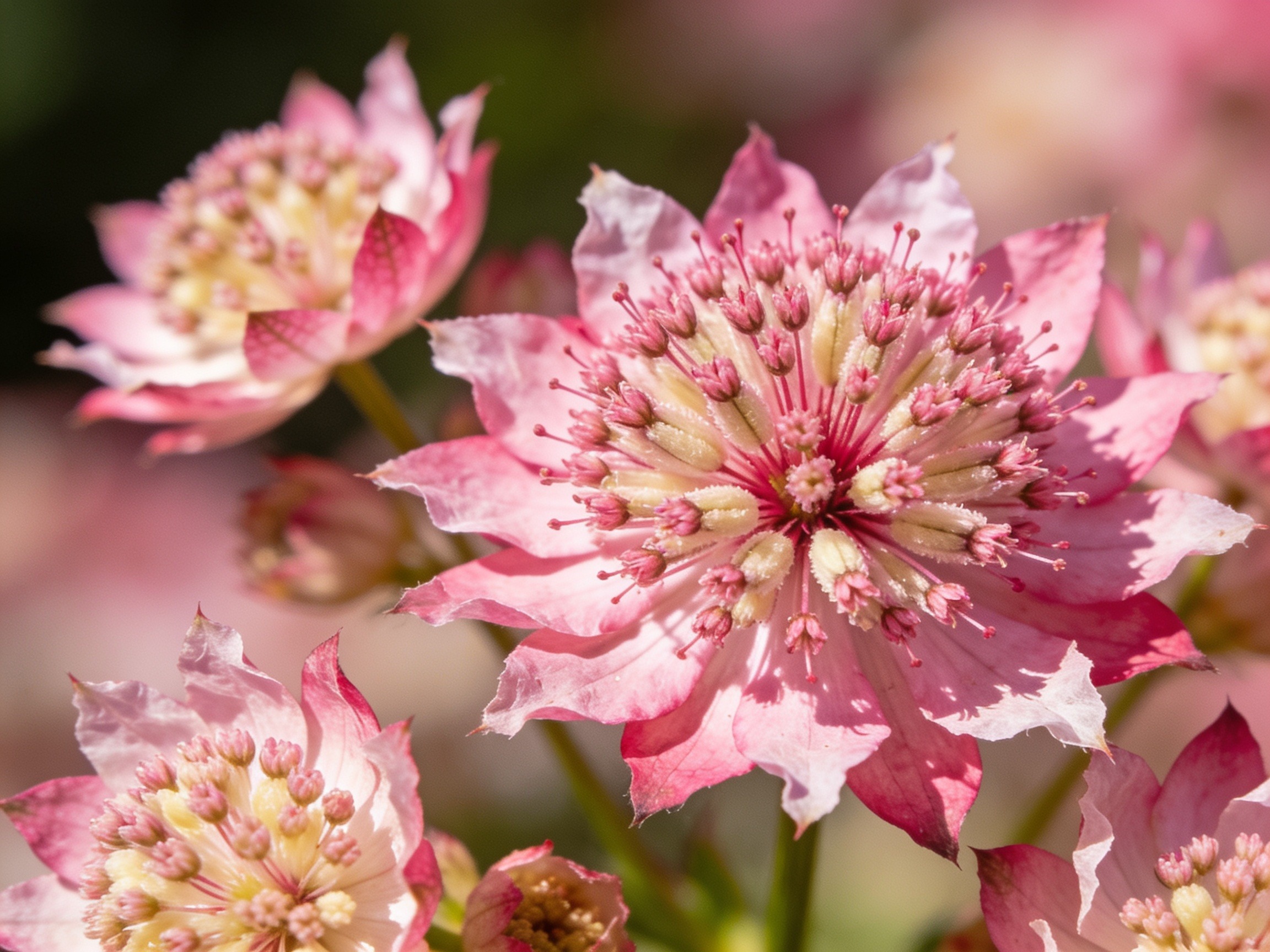
Astrantia's old common name, masterwort, reflects its historic reputation as a "master" herb in traditional medicine, and the flower today is often associated with strength and unusual beauty.
Astrantia prefers partial shade and consistently moist, humus-rich soil, though it tolerates more sun in cooler climates with adequate water. Once established, it self-seeds readily and can naturalize nicely in a cottage-style border without becoming aggressive.
Historically, Astrantia root was used in European folk medicine as a purgative and for treating various ailments, though it has fallen out of herbal use today and is grown almost exclusively as an ornamental.