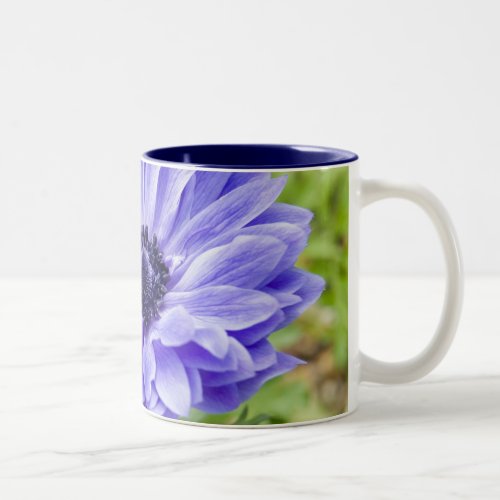
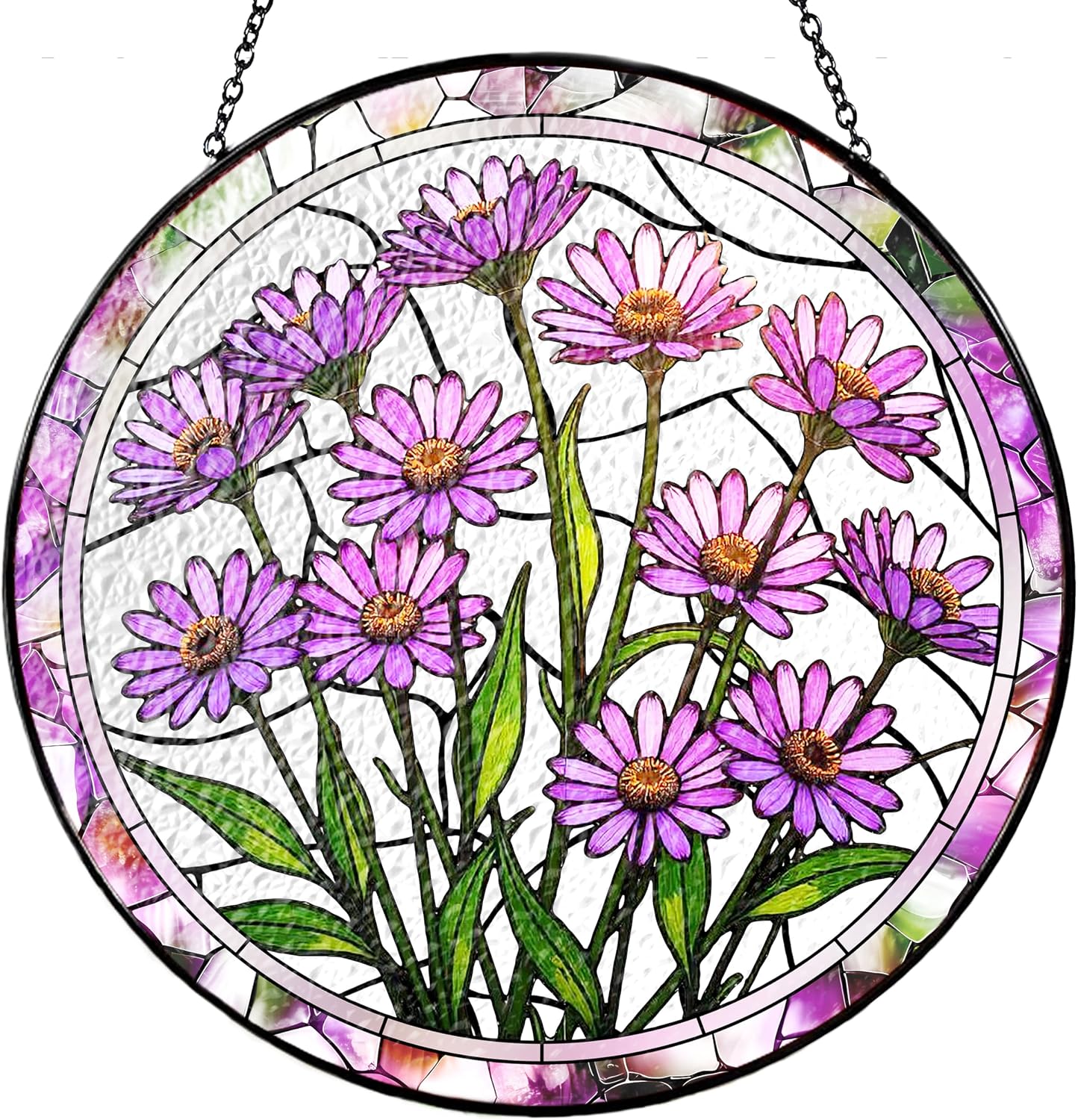
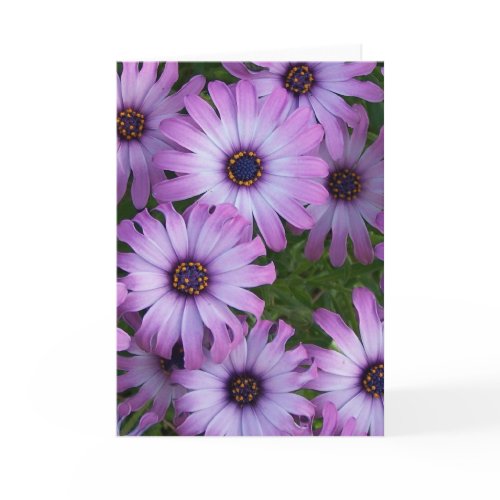
Asters bring a burst of star-shaped color to the garden right when most other perennials are winding down, making them one of the most valuable late-season bloomers a gardener can grow.
The name "aster" comes from the Greek word for star, describing the flower's radiating petal arrangement around a central disc. Native to North America, Europe, and Asia, asters are essential late-season nectar sources for bees and butterflies preparing for winter.
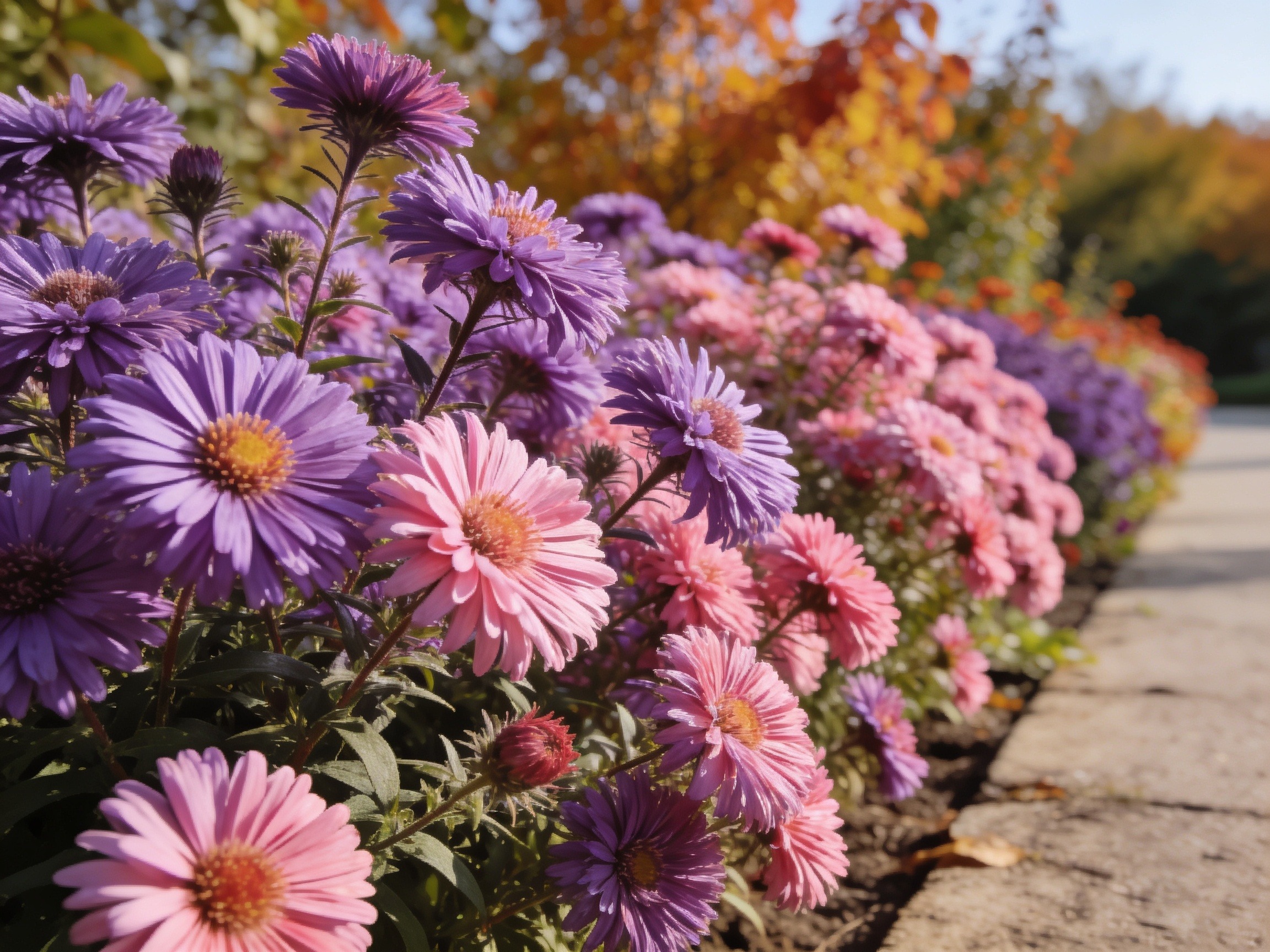
Asters symbolize wisdom, faith, and valor, and as the September birth flower, they've become a popular way to celebrate someone born in that month.
Asters want full sun and well-draining soil, and while they tolerate some drought, consistent moisture produces the fullest bloom display. Pinching back stems in early summer encourages bushier growth and more flowers come fall, and dividing clumps every two to three years keeps plants vigorous and prevents overcrowding.
Some Native American traditions used aster root preparations to treat colds and headaches, though today the plant is grown almost exclusively as a garden and pollinator-support flower rather than for medicinal use.