Annuals
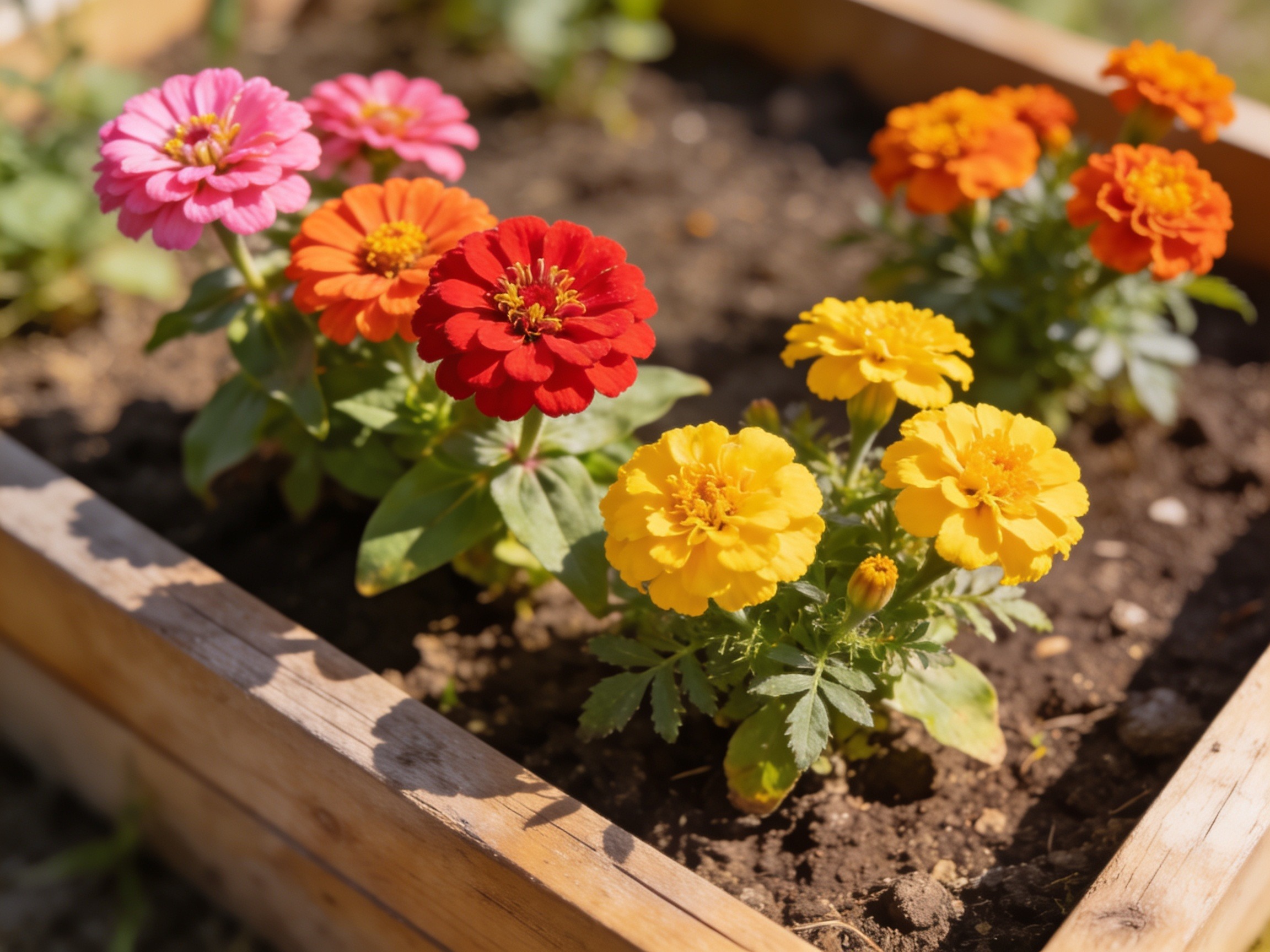
Annuals complete their entire life cycle — germination, growth, flowering, and death — in a single season, which is exactly what makes them so useful for quick color and a garden that can look different every year.
Why Gardeners Rely on Them
Because they bloom the same year they're planted, annuals are the fastest way to fill a bare bed or container with color. They're also forgiving for experimenting — if a color combination or layout doesn't work, it's easy to try something different the following year without disturbing an established perennial planting.
Most annuals bloom continuously from planting until frost, especially with regular deadheading, giving a much longer bloom window than most perennials offer.
Some plants sold as annuals in cold climates, like geraniums and impatiens, are actually tender perennials in warmer zones — worth checking if you're unsure why a "one-season" plant keeps coming back.
Getting the Most Bloom
Regular deadheading redirects an annual's energy from seed production back into more flowers, often extending bloom time significantly. A light monthly feeding through the growing season also keeps most annuals blooming steadily rather than slowing down mid-summer.