Annual Flower Basics
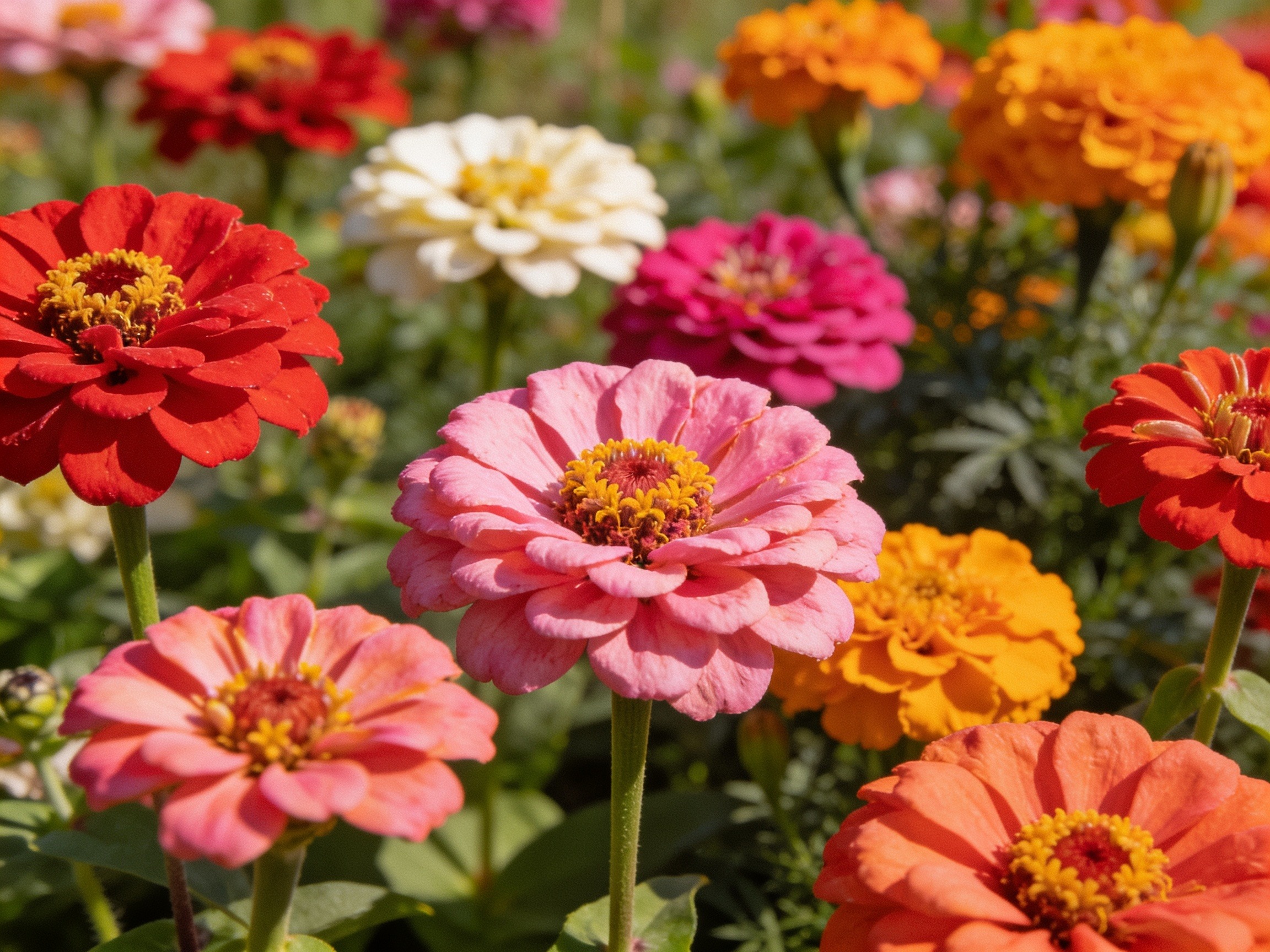
An annual completes its entire life cycle — germination, growth, bloom, seed, death — within a single growing season, a simple fact that shapes everything about how it's grown and used in the garden.
What Makes an Annual an Annual
Because an annual only has one season to complete its life cycle, it typically puts enormous energy into producing flowers and seed quickly, which is exactly why annuals bloom so prolifically compared to most perennials. This same trait is why deadheading works so well — the plant keeps trying to produce seed as long as it's able.
Some plants sold as annuals, like geraniums, are actually tender perennials in their native warm climates, but are grown as annuals anywhere with freezing winters.
Some annuals, like cosmos and larkspur, self-seed readily and will often return on their own year after year, even though technically they're not perennials.
Where Annuals Shine
Containers, hanging baskets, and gaps in a perennial bed are all ideal spots for annuals, since their compact size and long bloom period make them especially well suited to smaller, high-visibility spaces.