Angelica
Angelica (Angelica archangelica) is a tall, statuesque biennial herb with hollow stems, celery-like leaves, and large umbels of greenish-white flowers. Native to cool northern climates, it has a long history as both a culinary flavoring and a medicinal plant, with a warm, musky-sweet flavor often compared to celery crossed with juniper.
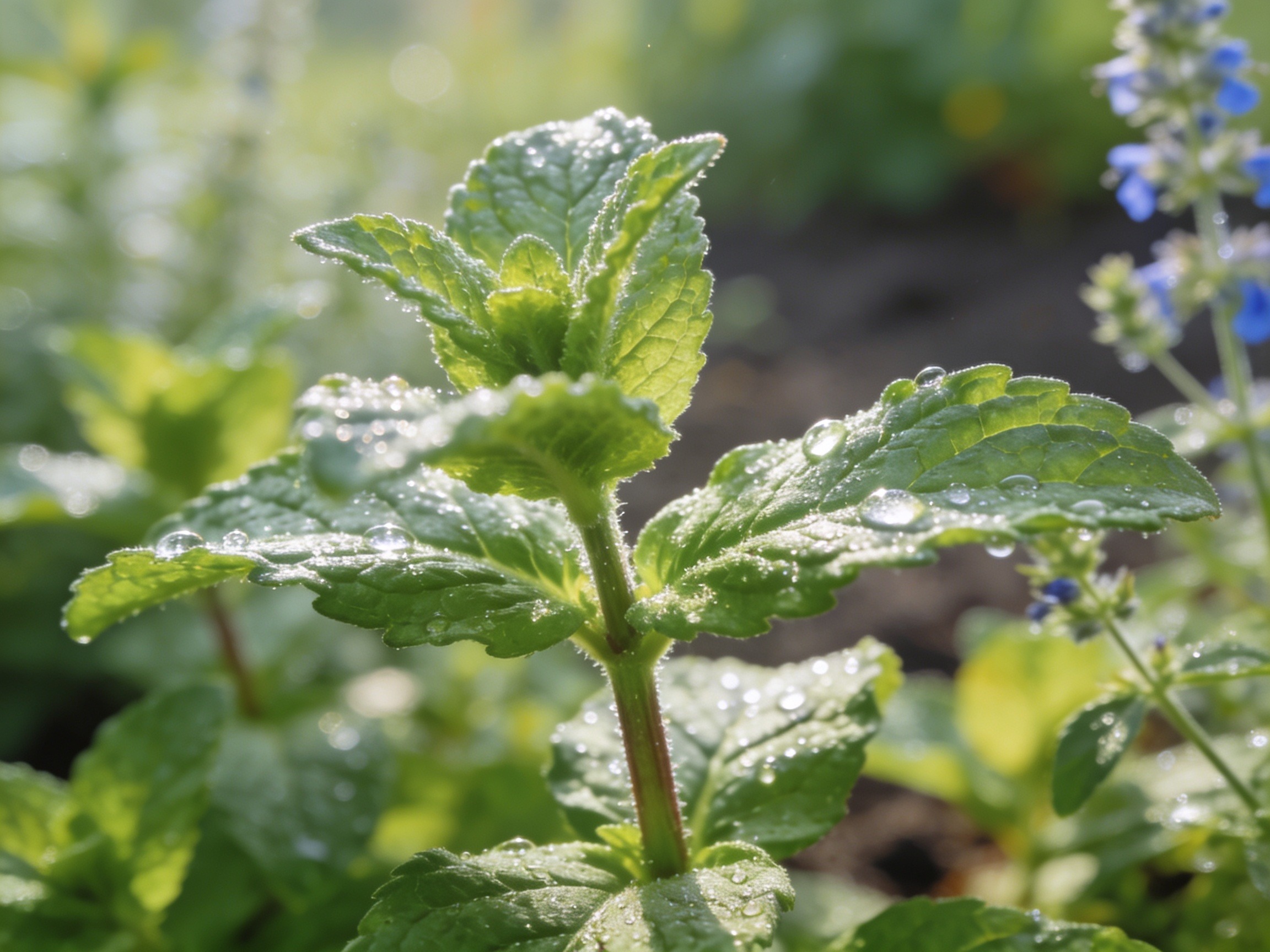
Growing Angelica
Angelica prefers cool, moist, partly shaded spots and can struggle in hot, dry summers. As a biennial, it grows leafy the first year and sends up its tall flower stalk in the second, then usually dies after setting seed — though cutting the flower stalk before it sets seed can sometimes coax another year of growth. Give it plenty of room; a mature plant can reach 6 feet tall and just as wide.
Culinary Uses
Candied angelica stems are a classic decoration for cakes and pastries, especially in European baking traditions. The stems can also be simmered with tart fruit like rhubarb to mellow its acidity, and the seeds and roots have long been used to flavor liqueurs, including gin and vermouth.
Angelica self-seeds readily once established — let a few seed heads mature and drop if you'd like the plant to return on its own the following year.