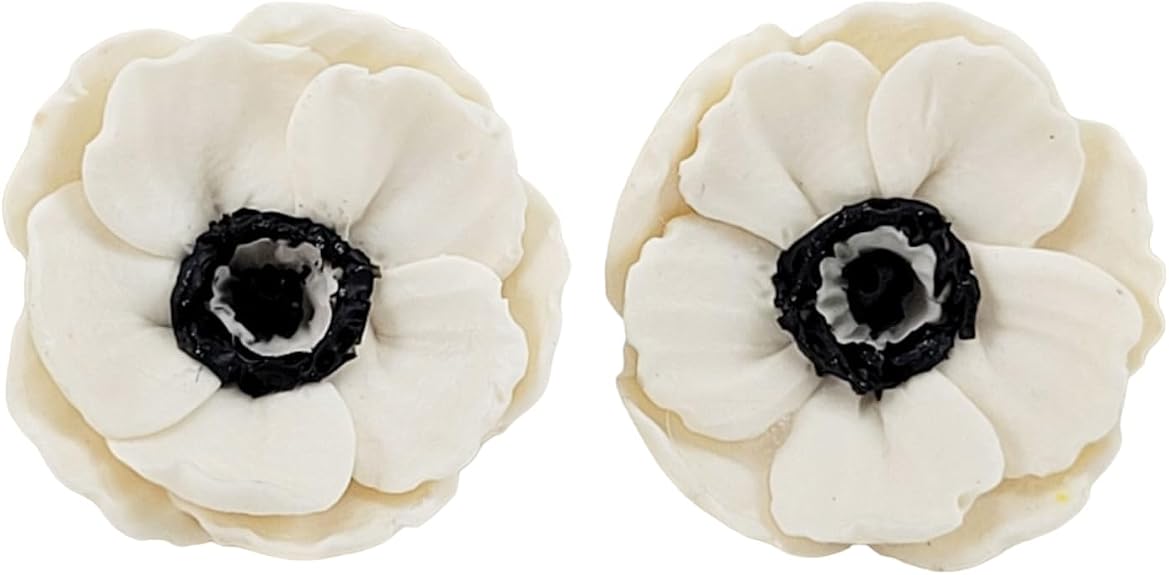
Anemone, or windflower, produces delicate, saucer-shaped blooms that seem to flutter atop thin stems at the slightest breeze — a trait that gave the flower its common name.
This large and varied genus includes spring-blooming woodland species as well as fall-blooming garden varieties, offering color at two very different points in the growing season. Its simple, open flower form has made it a favorite in both naturalized woodland plantings and more formal perennial borders.
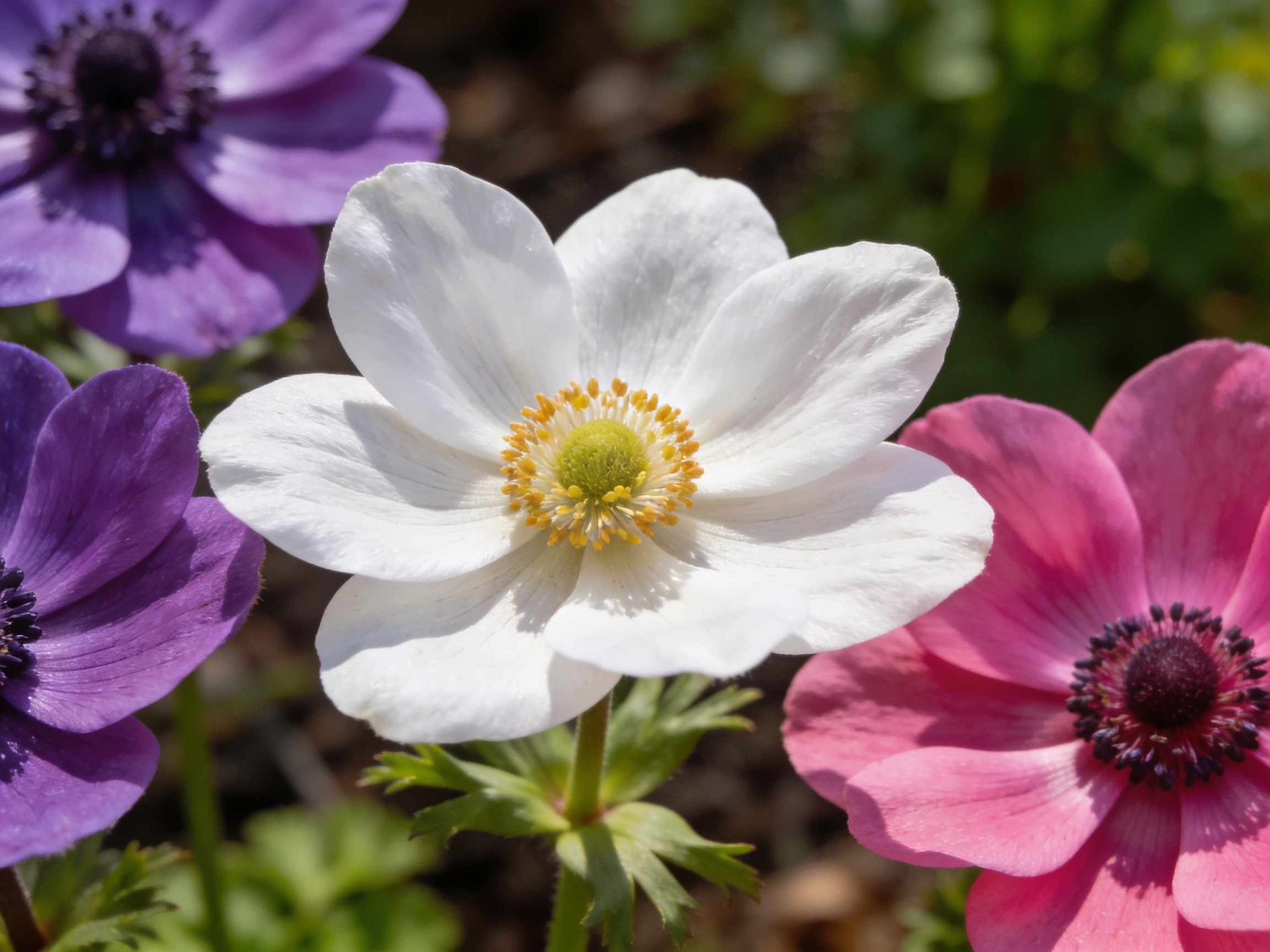
In Greek mythology, the anemone is said to have sprung from the tears of Aphrodite as she mourned Adonis, and the flower has since carried associations with anticipation and fading hope, given how quickly its delicate petals can scatter in the wind.
Spring-blooming anemones prefer partial shade and moist, humus-rich soil, mimicking their native woodland floor habitat, while fall-blooming garden anemones tolerate more sun. Both types spread gradually once established, naturalizing nicely in a woodland border or informal bed without becoming invasive.
Historically, some anemone species were used in folk remedies for headaches and rheumatism, though the plant contains compounds that can irritate skin, so modern use is largely limited to ornamental gardening rather than home remedies.