All Purpose Tree Fertilizer
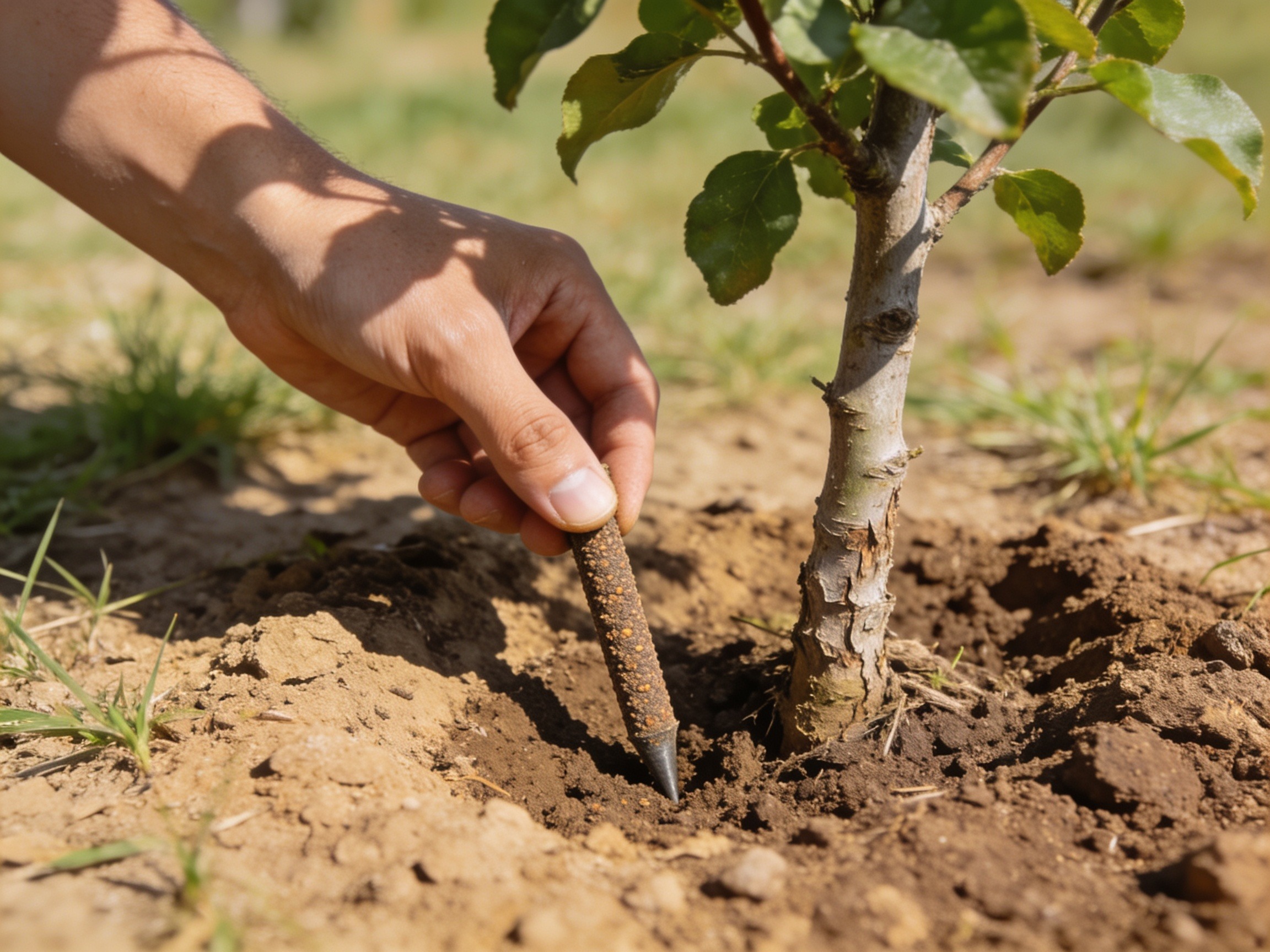
Trees and shrubs feed from a much larger root zone than smaller plants, extending well beyond the trunk — a factor that shapes both how and where a tree fertilizer should be applied.
Feeding the Whole Root Zone
A tree's feeder roots typically extend out to at least the edge of its canopy, often further, so fertilizer applied only near the trunk misses much of where it's needed. Broadcasting granular fertilizer evenly under the entire canopy, or slightly beyond it, reaches far more of the active root system.
Slow-release granular formulas suit trees particularly well, since they need infrequent feeding — often just once or twice a year — rather than the more frequent feeding smaller plants require.
Established trees in decent soil often need very little supplemental fertilizer — a soil test is worth doing before assuming a tree needs feeding at all.
Best Timing for Application
Early spring, just as trees break dormancy, is generally the best time to fertilize, giving trees access to nutrients right as they enter active growth. Avoid fertilizing in late summer or fall, which can push new growth too late in the season to harden off before winter.